Uveitis Treatment | Barossa Eye Clinic – Gawler SA
What is Uveitis?
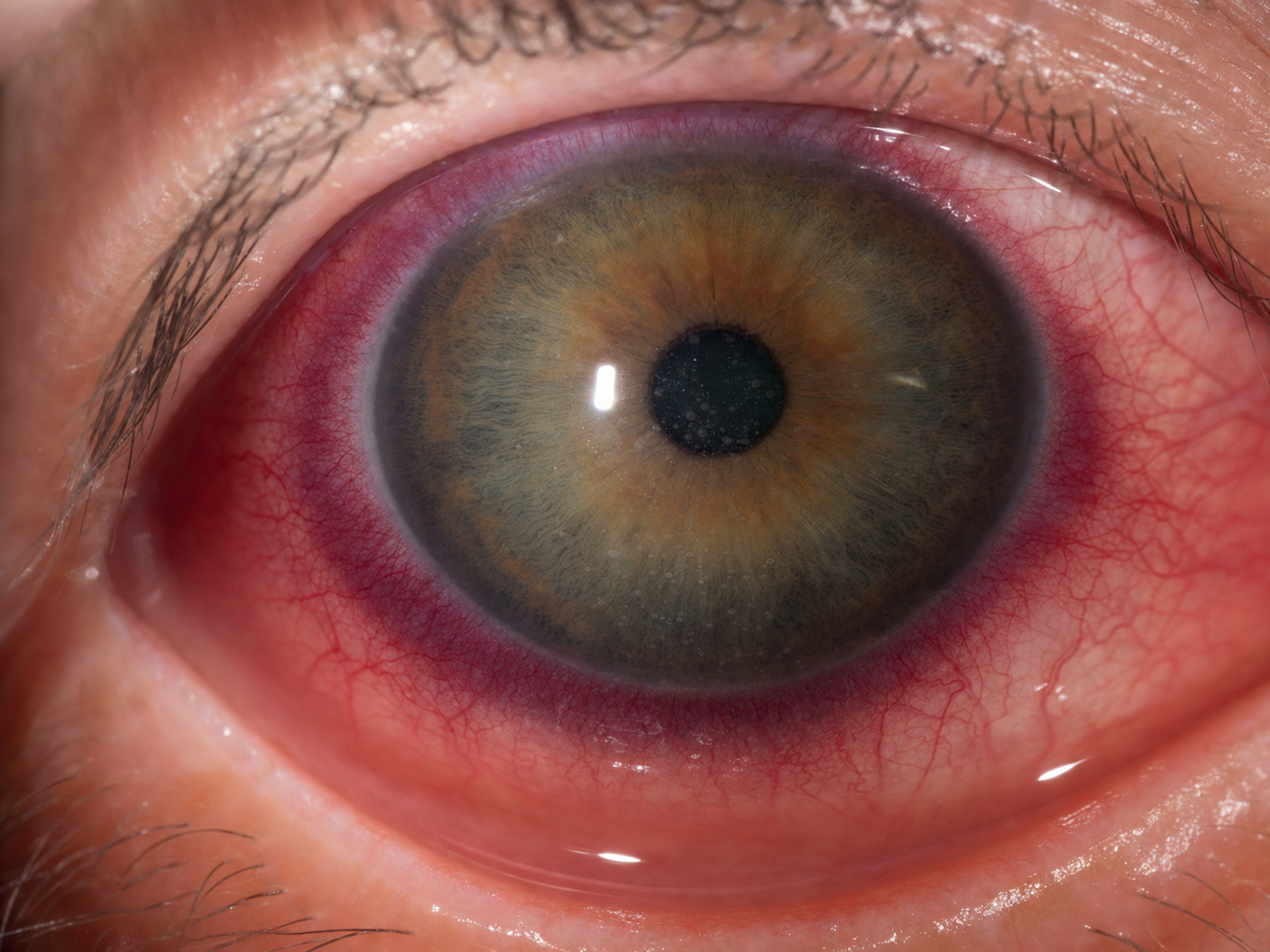
Uveitis is an inflammation of the uvea, the middle layer of the eye wall. The uvea consists of the iris (the colored part of your eye), the ciliary body (which produces fluid inside the eye and helps with focusing), and the choroid (a layer of blood vessels that nourishes the retina). Inflammation in any of these parts can lead to uveitis, a serious condition that can cause significant vision loss if not treated promptly. It can affect one or both eyes and can occur at any age, though it is most common in young to middle-aged adults. Early diagnosis and treatment are crucial to prevent complications and preserve vision.
Symptoms
The symptoms of uveitis can vary depending on which part of the uvea is affected and the severity of the inflammation. They can appear suddenly or develop gradually over time. Common symptoms include:
- Eye redness: Often more pronounced around the iris.
- Eye pain: Ranging from a dull ache to severe, throbbing pain.
- Light sensitivity (photophobia): Discomfort or pain when exposed to bright light.
- Blurred vision: Vision may become hazy or less clear.
- Floaters: Small spots or specks that drift across your field of vision.
- Decreased vision: A noticeable reduction in visual acuity.
- Headache: Sometimes associated with eye pain.
If you experience any of these symptoms, especially if they are sudden or severe, it is important to seek immediate ophthalmological attention. At Barossa Eye Clinic in Gawler, South Australia, our experienced ophthalmologists, Dr. Deric De Wit and Dr. Andrew Laming, are equipped to diagnose and manage uveitis effectively.
Causes/Risk Factors
In many cases, the exact cause of uveitis remains unknown, a condition referred to as idiopathic uveitis. However, it can be associated with a variety of factors, including:
- Autoimmune diseases: Conditions where the body’s immune system mistakenly attacks its own tissues, such as rheumatoid arthritis, lupus, ankylosing spondylitis, and inflammatory bowel disease.
- Infections: Viral (e.g., herpes simplex, herpes zoster, cytomegalovirus), bacterial (e.g., tuberculosis, syphilis), fungal (e.g., histoplasmosis), or parasitic (e.g., toxoplasmosis) infections can trigger uveitis.
- Eye injury: Trauma to the eye can sometimes lead to inflammation.
- Certain cancers: Though rare, some cancers, such as lymphoma, can cause uveitis.
- Genetic predisposition: Some individuals may be genetically more susceptible to developing uveitis, particularly those with specific HLA (Human Leukocyte Antigen) types.
Understanding potential underlying causes is a key part of the diagnostic process at Barossa Eye Clinic, helping us tailor the most appropriate treatment plan for our patients in the Barossa Valley region.
Diagnosis
Diagnosing uveitis involves a comprehensive eye examination and often a review of your medical history. Our ophthalmologists at Barossa Eye Clinic will perform several tests, which may include:
- Slit-lamp examination: A detailed examination of the front and back of your eye to look for signs of inflammation, such as cells and flare in the anterior chamber.
- Ophthalmoscopy: Examination of the retina and optic nerve.
- Intraocular pressure measurement: To check for glaucoma, a potential complication of uveitis.
- Visual acuity test: To assess the extent of vision loss.
- Blood tests: To identify underlying autoimmune diseases or infections.
- Imaging tests: Such as optical coherence tomography (OCT) or fluorescein angiography, to evaluate the retina and choroid for swelling or damage.
Accurate diagnosis is paramount to initiating timely and effective treatment, preventing long-term complications, and preserving vision.
Treatment
The primary goals of uveitis treatment are to reduce inflammation, relieve pain, prevent further eye damage, and preserve vision. Treatment strategies depend on the type, location, and cause of the uveitis. Common treatments include:
- Corticosteroids: These are the mainstay of treatment, available as eye drops, oral medications, or injections around or into the eye, to reduce inflammation.
- Immunosuppressants: For severe or chronic cases, medications that suppress the immune system may be prescribed to control inflammation and reduce the need for high-dose corticosteroids.
- Mydriatics (pupil-dilating drops): To relieve pain and prevent the iris from sticking to the lens.
- Antibiotics, antivirals, or antifungals: If an infection is identified as the cause.
- Surgery: In rare cases, surgery may be needed to treat complications such as cataracts or glaucoma, or to remove vitreous opacities.
Our team at Barossa Eye Clinic provides personalized treatment plans, closely monitoring your condition to ensure the best possible outcomes for patients across South Australia.
When to seek help
Given the potential for serious vision loss, it is crucial to seek prompt medical attention if you experience any symptoms of uveitis. Do not delay, as early intervention can significantly improve the prognosis and prevent irreversible damage. If you notice sudden eye pain, redness, blurred vision, or increased floaters, especially if accompanied by light sensitivity, contact Barossa Eye Clinic immediately. Our dedicated team is here to provide urgent care and expert guidance.
FAQ
Q: Can uveitis lead to blindness?
A: If left untreated or if it is a severe or recurrent form, uveitis can lead to serious complications such as glaucoma, cataracts, macular edema, and retinal detachment, all of which can cause permanent vision loss or blindness. Early and consistent treatment is vital to prevent these outcomes.
Q: Is uveitis contagious?
A: No, uveitis itself is not contagious. While some infectious agents can cause uveitis, the inflammation of the eye is not directly transmissible from person to person.
Ready to take the next step for your eye health?
If you are experiencing symptoms of uveitis or have concerns about your eye health, don’t hesitate to contact Barossa Eye Clinic. Our expert ophthalmologists, Dr. Deric De Wit and Dr. Andrew Laming, are dedicated to providing comprehensive and compassionate eye care to the community of Gawler, the Barossa Valley, and wider South Australia. No referral needed — call 1300 107 393 to book your consultation today.
Clinical Disclaimer
The information provided on this page is for general educational purposes only and does not constitute medical advice. It is not a substitute for professional medical advice, diagnosis, or treatment. Always seek the advice of your ophthalmologist or other qualified health provider with any questions you may have regarding a medical condition. Never disregard professional medical advice or delay in seeking it because of something you have read on this website. Barossa Eye Clinic, Dr. Deric De Wit, and Dr. Andrew Laming do not endorse any specific treatments, procedures, or products mentioned herein. Reliance on any information provided by Barossa Eye Clinic is solely at your own risk.