
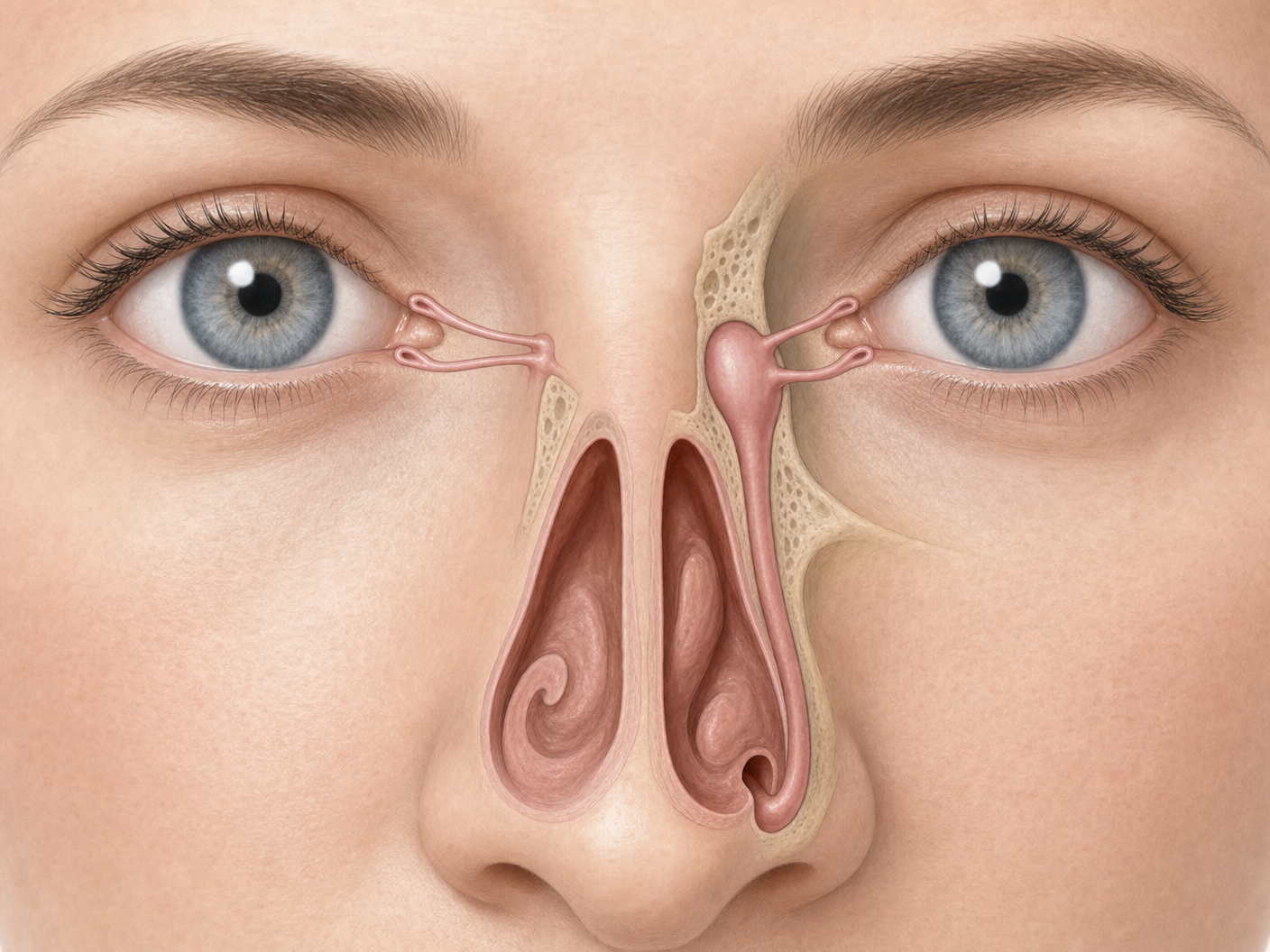
Watery Eyes (Epiphora)
## What is Epiphora (Watery Eyes)?
Epiphora, commonly known as watery eyes, is a condition where there is an excessive overflow of tears onto the face. While occasional watery eyes can be a normal response to emotions, irritants, or environmental factors, persistent epiphora can indicate an underlying medical issue. This condition can affect individuals of all ages, from infants to the elderly, and can significantly impact daily life, causing blurred vision, skin irritation, and social embarrassment. At Barossa Eye Clinic in Gawler, South Australia, our experienced ophthalmologists, Dr. Deric De Wit and Dr. Andrew Laming, are dedicated to diagnosing and treating the root causes of watery eyes, helping patients find relief and improve their quality of life.
## Symptoms of Epiphora
The primary symptom of epiphora is the constant or intermittent overflow of tears from one or both eyes. This can lead to a range of associated symptoms, including:
- Excessive tearing: Tears constantly well up in the eyes and spill over the eyelids.
- Blurred vision: The excess tear film can temporarily obscure vision.
- Skin irritation: Constant moisture can lead to redness, chafing, or infection of the skin around the eyes.
- Crusting of eyelids: Dried tears can form crusts, especially upon waking.
- Redness and inflammation: The eyes or surrounding skin may appear red and inflamed.
- Discomfort or pain: While not always present, some individuals may experience a gritty sensation or mild pain.
- Frequent wiping: The need to constantly wipe away tears can be disruptive and inconvenient.
## Causes and Risk Factors of Epiphora
Watery eyes can stem from a variety of causes, broadly categorized into overproduction of tears or impaired drainage of tears. Understanding the underlying cause is crucial for effective treatment.
Overproduction of Tears
- Irritation or inflammation: Conditions such as conjunctivitis (pink eye), blepharitis (eyelid inflammation), corneal abrasions, or foreign bodies in the eye can stimulate excessive tear production.
- Allergies: Allergic reactions to pollen, dust mites, or pet dander can cause itchy, watery eyes.
- Environmental factors: Exposure to wind, smoke, bright light, or cold weather can trigger reflex tearing.
- Dry eyes: Paradoxically, dry eyes can lead to watery eyes. When the eyes are too dry, they send a signal to produce more tears, often leading to an overcompensation.
Impaired Drainage of Tears
- Blocked tear ducts (Nasolacrimal Duct Obstruction): This is a common cause, where the drainage system that carries tears from the eye surface to the nose becomes partially or completely blocked. This can be congenital (present from birth) or acquired due to infection, inflammation, injury, or aging.
- Eyelid problems:
- Ectropion: The lower eyelid turns outwards, preventing tears from draining into the tear ducts.
- Entropion: The lower eyelid turns inwards, causing eyelashes to rub against the eye and irritate it, leading to increased tear production.
- Lax eyelids: Weakness in the eyelid muscles can affect tear drainage.
- Punctal stenosis: Narrowing of the puncta, the small openings in the inner corner of the eyelids through which tears begin to drain.
- Tumors or growths: Rarely, growths near the tear drainage system can cause obstruction.
Risk factors for developing epiphora include age (tear duct blockages are more common in infants and older adults), chronic eye infections, previous eye surgery, and certain systemic conditions.
## Diagnosis of Epiphora
Diagnosing the cause of watery eyes involves a comprehensive eye examination by an ophthalmologist. At Barossa Eye Clinic, our specialists will typically perform the following:
- Detailed medical history: Discussing your symptoms, their duration, and any relevant medical conditions or medications.
- Slit-lamp examination: A magnified view of the eye\’s surface, eyelids, and tear film.
- Fluorescein dye disappearance test: A harmless dye is placed in the eye to observe how quickly it drains, indicating the efficiency of the tear drainage system.
- Lacrimal probing and irrigation: A fine probe is used to check for blockages in the tear ducts, followed by flushing with saline solution.
- Imaging studies: In some cases, advanced imaging like dacryocystography (DCG) or CT scans may be used to visualize the tear drainage system in detail.
## Treatment for Epiphora
Treatment for watery eyes depends entirely on the underlying cause. Our ophthalmologists at Barossa Eye Clinic will tailor a treatment plan specifically for you.
Treatments for Overproduction of Tears
- Addressing irritants: Removing foreign bodies, treating allergies with antihistamine eye drops, or managing dry eyes with lubricating eye drops.
- Medications: Antibiotics for infections, anti-inflammatory drops for inflammation.
- Environmental modifications: Wearing protective eyewear in windy conditions, avoiding smoke.
Treatments for Impaired Drainage of Tears
- Warm compresses and massage: For mild blockages, especially in infants.
- Dilation and irrigation: Widening the puncta and flushing the tear ducts.
- Stenting or intubation: Inserting a small tube into the tear duct to keep it open, often used for children with congenital blockages.
- Dacryocystorhinostomy (DCR): A surgical procedure to create a new drainage pathway between the tear sac and the nasal cavity. This is a highly effective treatment for blocked tear ducts and is performed by our skilled surgeons in South Australia.
- Eyelid surgery: Procedures like ectropion or entropion repair to correct eyelid position and improve tear drainage.
## When to Seek Help
If you experience persistent watery eyes, especially if accompanied by pain, redness, blurred vision, or discharge, it is important to seek professional medical advice. Early diagnosis and treatment can prevent complications and provide significant relief. The ophthalmologists at Barossa Eye Clinic in Gawler are here to provide expert care for all your eye health needs. No referral needed — call 1300 107 393 to schedule an appointment.
## Frequently Asked Questions (FAQ)
Q: Can watery eyes be a sign of something serious?
A: While often benign, persistent watery eyes can sometimes indicate underlying conditions such as infections, inflammation, or even a blocked tear duct. It\’s always best to have your eyes examined by an ophthalmologist to determine the cause and ensure appropriate treatment.
Q: How can I prevent watery eyes?
A: Preventing watery eyes depends on the cause. Protecting your eyes from irritants like wind and smoke, managing allergies, and treating dry eyes can help. Regular eye check-ups with an ophthalmologist are also important for early detection and management of potential issues.
Q: Is surgery always necessary for blocked tear ducts?
A: Not always. For infants, many blocked tear ducts resolve on their own or with conservative measures like massage. For adults, initial treatments may include dilation and irrigation. However, if these are unsuccessful, surgical options like DCR are highly effective in restoring proper tear drainage.
Call to Action
If you are experiencing persistent watery eyes and seeking expert ophthalmic care in the Barossa Valley region, contact Barossa Eye Clinic today. Our dedicated team, including Dr. Deric De Wit and Dr. Andrew Laming, is committed to providing comprehensive diagnosis and personalized treatment plans. No referral needed — call 1300 107 393 to book your consultation. You can also visit us at 10 Seventh Street, Gawler SA 5118.
## Related Conditions
Clinical Disclaimer
The information provided on this page is for general educational purposes only and does not constitute medical advice. It is not a substitute for professional medical examination, diagnosis, or treatment. Always seek the advice of a qualified healthcare provider for any questions you may have regarding a medical condition. While every effort has been made to ensure the accuracy of the information, Barossa Eye Clinic makes no warranties or representations regarding its completeness or accuracy. Individual results may vary. Please consult with your ophthalmologist at Barossa Eye Clinic for personalized care and treatment recommendations.