
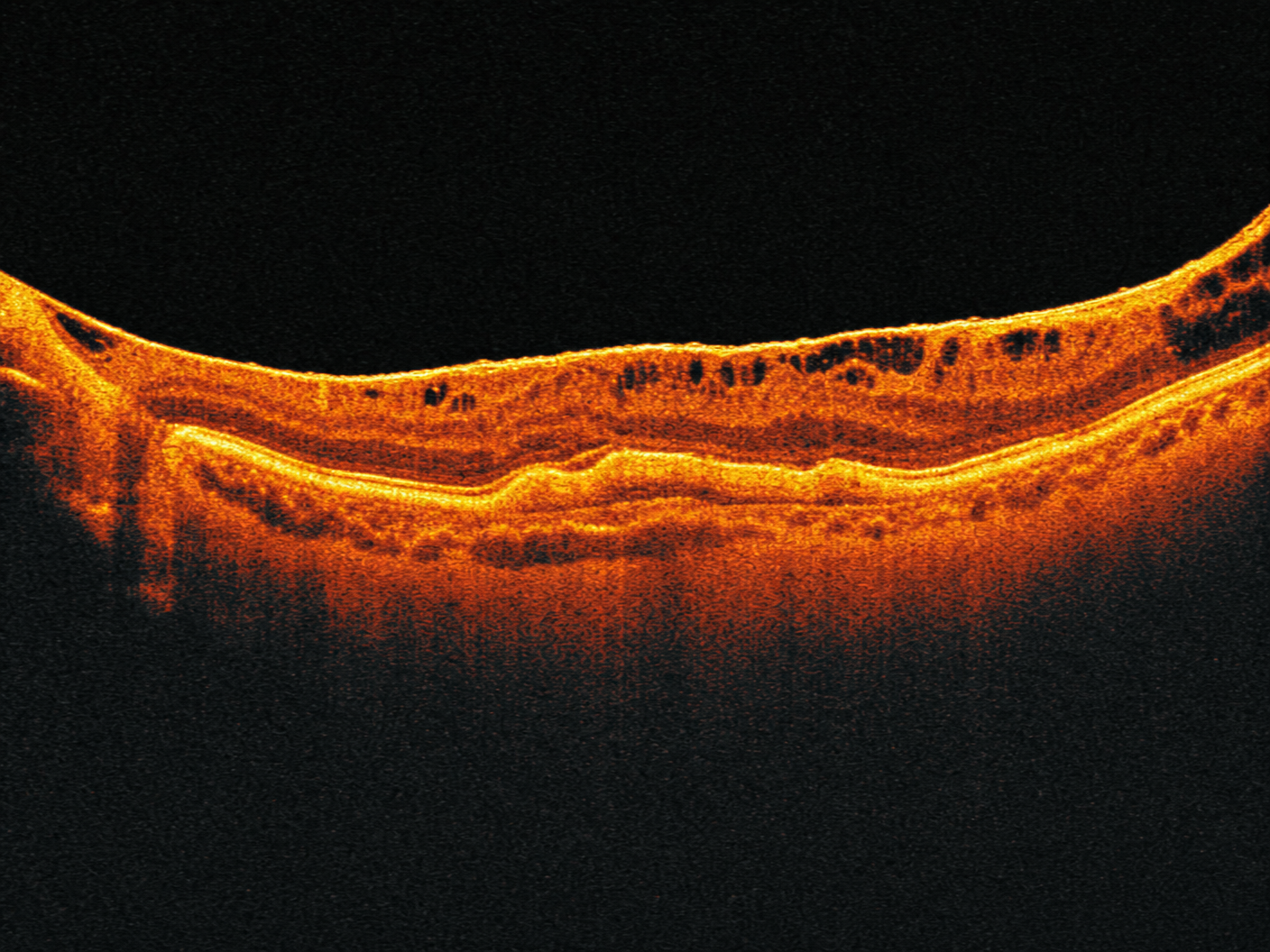
Epiretinal Membrane
At Barossa Eye Clinic, located in Gawler, South Australia, our experienced ophthalmologists, Dr. Deric De Wit and Dr. Andrew Laming, provide comprehensive care for eye conditions like epiretinal membrane. An epiretinal membrane (ERM) is a delicate layer of scar tissue forming on the retina’s surface, specifically over the macula. This can lead to distorted or blurred central vision, impacting daily activities. Understanding ERM is crucial for preserving your vision.
What is an Epiretinal Membrane?
An epiretinal membrane, also known as a macular pucker or cellophane maculopathy, is a thin, fibrous tissue layer developing on the inner surface of the retina. The retina, at the back of the eye, converts light into electrical signals. The macula, a central retinal area, is vital for sharp, detailed central vision. When an ERM forms over the macula, it can contract and wrinkle the retinal surface, causing visual distortion.
Symptoms of Epiretinal Membrane
ERM symptoms vary and may progress slowly. Many ERMs cause no noticeable symptoms initially. However, as the membrane thickens or contracts, it can lead to:
- Blurred central vision: Difficulty seeing fine details.
- Distorted vision (metamorphopsia): Straight lines appear wavy.
- Difficulty reading small print: Central vision is affected.
- Reduced vision: A decrease in overall visual acuity.
If you experience new or worsening symptoms, schedule a comprehensive eye examination with an ophthalmologist.
Causes and Risk Factors
Epiretinal membranes are often idiopathic, developing without a clear cause, especially in older individuals. The vitreous gel naturally shrinks and pulls away from the retina with age (posterior vitreous detachment or PVD), sometimes leaving cells that form an ERM. ERMs can also be secondary to other eye conditions:
- Posterior Vitreous Detachment (PVD): Natural separation of vitreous gel from the retina.
- Retinal tears or detachment: Retina is torn or pulls away.
- Diabetic retinopathy: Diabetes complication affecting retinal blood vessels.
- Retinal vein occlusion: Blockage of a retinal vein.
- Intraocular inflammation (uveitis): Inflammation inside the eye.
- Eye trauma or injury: Physical damage to the eye.
- Previous eye surgery: Such as cataract or retinal surgery.
Age is the most significant risk factor, but individuals with these conditions are at higher risk.
Diagnosis of Epiretinal Membrane
Diagnosis involves a comprehensive eye examination. At Barossa Eye Clinic in Gawler, our specialists use advanced diagnostic tools. Key procedures include:
- Dilated eye exam: To examine the retina and macula.
- Optical Coherence Tomography (OCT): Provides high-resolution cross-sectional images of the retina, crucial for visualizing the ERM, assessing its thickness, and detecting macular swelling or distortion.
These tests confirm ERM presence, evaluate its impact, and guide treatment.
Treatment for Epiretinal Membrane
Treatment depends on symptom severity. If the ERM is mild and not causing significant visual disturbance, observation with regular monitoring (dilated eye exams and OCT scans) may be recommended.
For noticeable visual symptoms, surgical intervention is typically recommended. The primary procedure is a vitrectomy with membrane peel. This microsurgical procedure involves:
- Vitrectomy: Removing the vitreous gel through small incisions.
- Membrane Peel: Meticulously peeling away the epiretinal membrane from the macula, relieving traction and potentially improving vision.
Surgery is usually performed under local anesthesia and is effective for many patients. Recovery is gradual, with visual improvement over several months. Our team will discuss benefits, risks, and expected outcomes.
When to Seek Help
Seek prompt ophthalmological evaluation if you experience new or worsening visual symptoms, especially if they affect central vision. If you notice blurred vision, distorted lines, or other changes, particularly if you are over 50 or have a history of other eye conditions, contact Barossa Eye Clinic. Early diagnosis and management can preserve vision. Our dedicated team in Gawler, serving the wider Barossa Valley and South Australia region, provides expert care.
Frequently Asked Questions about Epiretinal Membrane
Q: Can an epiretinal membrane heal on its own?
A: In most cases, an epiretinal membrane does not resolve on its own. While some ERMs remain stable, those causing visual distortion typically require surgery.
Q: Is epiretinal membrane surgery painful?
A: Surgery is performed under local anesthesia, so you won’t feel pain during the procedure. Mild discomfort during recovery can be managed with prescribed eye drops and pain relief.
Q: How long does it take to recover from ERM surgery?
A: Visual recovery is gradual, taking several months as the retina heals. Your ophthalmologist will provide post-operative instructions and monitor your progress.
Ready to Take the Next Step for Your Eye Health?
If you are experiencing symptoms of an epiretinal membrane or have concerns about your vision, contact Barossa Eye Clinic. Our expert team provides thorough diagnosis and discusses treatment options. No referral needed — call 1300 107 393 to book your consultation today. We are proud to serve the communities of Gawler, the Barossa Valley, and throughout South Australia.
Related Conditions
Clinical Disclaimer: The information provided on this page is for general educational purposes only and should not be considered medical advice. It is not intended to diagnose, treat, cure, or prevent any disease. Always consult with a qualified healthcare professional, such as an ophthalmologist, for any health concerns or before making any decisions related to your health or treatment. Individual results may vary. Barossa Eye Clinic does not endorse any specific treatments or products mentioned herein as superior to others. The content is AHPRA compliant and does not contain patient testimonials or claims of being “best” or “number one”.