Chalazion & Stye Removal | Barossa Eye Clinic Gawler
At Barossa Eye Clinic, located conveniently in Gawler, South Australia, our dedicated ophthalmologists, Dr. Deric De Wit and Dr. Andrew Laming, frequently assist patients with common eyelid conditions such as chalazions and styes. While often benign, these conditions can cause discomfort, irritation, and sometimes affect vision. Understanding the difference between them and knowing when to seek professional help is crucial for effective management and relief.
What is it?
Chalazion
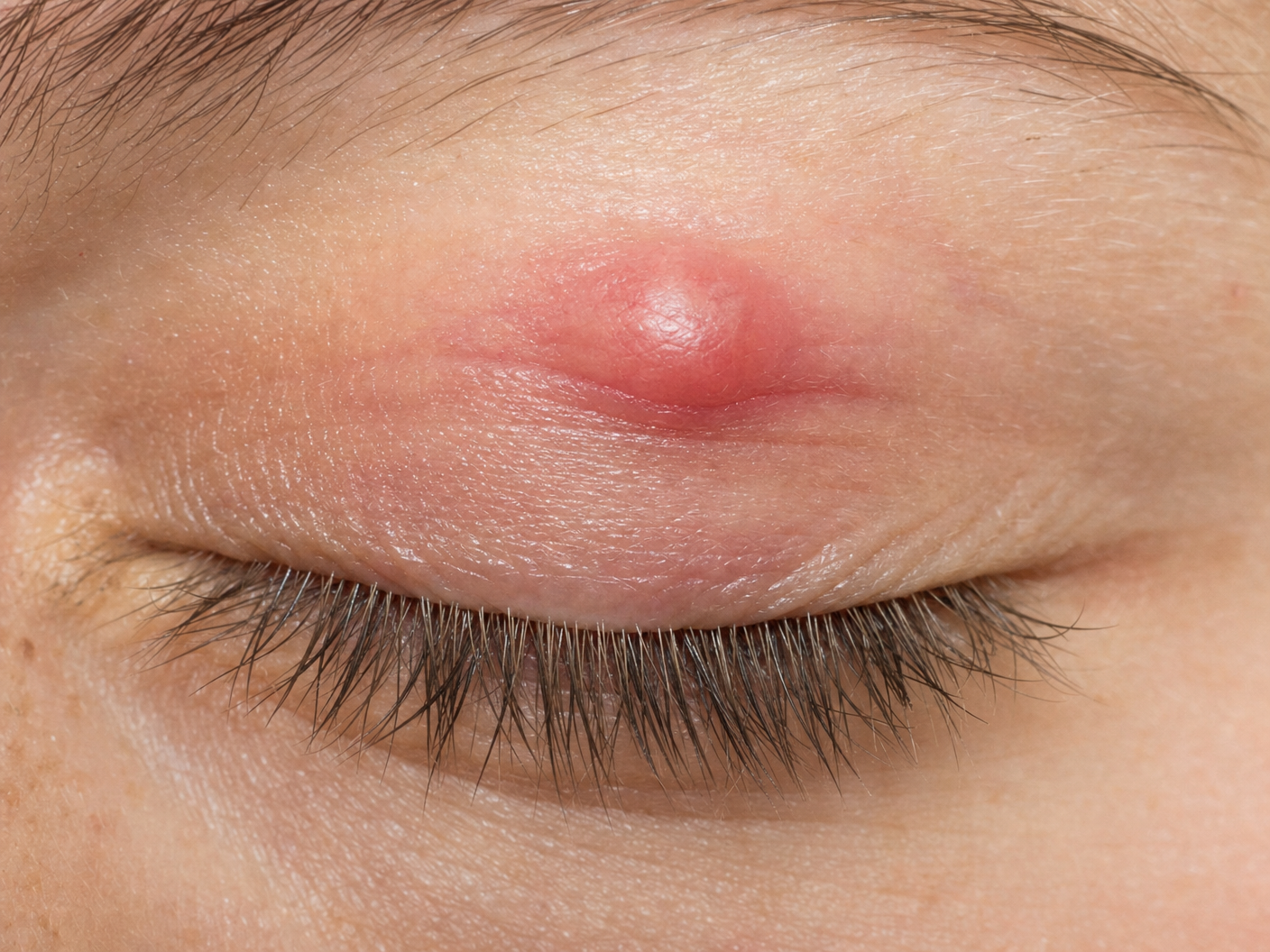
A chalazion is a small, usually painless, lump or cyst that develops on the eyelid. It forms when a meibomian gland (an oil-producing gland located within the eyelid) becomes blocked. The oil, which normally helps lubricate the eye, gets trapped and causes inflammation, leading to a firm, round swelling. Chalazions tend to grow slowly and can sometimes be mistaken for a stye, though they are typically less painful.
Stye (Hordeolum)
A stye, also known as a hordeolum, is an acute bacterial infection of an oil gland or hair follicle on the eyelid. Unlike a chalazion, a stye is usually very painful, red, and swollen, often appearing as a tender bump along the edge of the eyelid. There are two main types:
- External Stye: Occurs when an eyelash follicle or a sebaceous gland (gland of Zeis) becomes infected. It typically appears as a red, painful bump on the outside of the eyelid.
- Internal Stye: Develops when a meibomian gland within the eyelid becomes infected. These are often more painful and can cause more significant swelling of the eyelid.
Symptoms
Chalazion Symptoms
- A painless lump or swelling on the eyelid.
- Mild irritation or redness.
- Blurred vision if the chalazion is large enough to press on the eyeball.
- Tenderness to touch (less common than with a stye).
Stye Symptoms
- A painful, red, and swollen lump on the eyelid.
- Tenderness to touch.
- Pus formation, often with a white or yellow spot at the center.
- Increased tearing.
- Feeling of something in the eye.
- Sensitivity to light.
Causes/Risk Factors
Chalazion Causes & Risk Factors
Chalazions are primarily caused by blocked meibomian glands. Risk factors include:
- Blepharitis: Chronic inflammation of the eyelids.
- Rosacea: A skin condition that can affect the eyelids.
- Seborrheic Dermatitis: A common skin condition causing flaky scales.
- Previous Styes: A stye can sometimes evolve into a chalazion if the infection resolves but the blockage persists.
Stye Causes & Risk Factors
Styes are caused by bacterial infections, most commonly by Staphylococcus aureus. Risk factors include:
- Poor Eyelid Hygiene: Not cleaning eyelids regularly.
- Blepharitis: Chronic inflammation of the eyelids.
- Touching Eyes with Unclean Hands: Transferring bacteria to the eyelids.
- Using Contaminated Cosmetics: Especially old mascara or eyeliner.
- Stress and Hormonal Changes: Can sometimes trigger outbreaks.
- Certain Medical Conditions: Such as diabetes, which can weaken the immune system.
Diagnosis
Diagnosing a chalazion or stye typically involves a thorough clinical examination by an ophthalmologist. At Barossa Eye Clinic in Gawler, Dr. De Wit or Dr. Laming will carefully inspect your eyelid and discuss your symptoms and medical history. This examination helps differentiate between a chalazion and a stye, as well as rule out other more serious conditions that might present similarly. Accurate diagnosis is key to determining the most appropriate and effective treatment plan.
Treatment
Home Remedies
For both chalazions and styes, initial treatment often involves simple home care:
- Warm Compresses: Apply a clean, warm (not hot) compress to the affected eyelid for 10-15 minutes, 3-4 times a day. This helps to soften the blockage and promote drainage.
- Gentle Massage: After applying a warm compress, gently massage the area to encourage the gland to drain.
- Eyelid Hygiene: Keep the eyelids clean using mild soap or specialized eyelid cleansers, especially if you have blepharitis.
Medical Treatment
If home remedies are not sufficient, or if the condition is severe, Dr. De Wit or Dr. Laming at Barossa Eye Clinic may recommend further medical intervention:
- Antibiotic Eye Drops or Ointments: For styes, topical antibiotics may be prescribed to combat the bacterial infection.
- Steroid Injections: For persistent chalazions, a corticosteroid injection directly into the lump can help reduce inflammation and swelling.
- Surgical Drainage: If a chalazion or stye does not respond to other treatments and remains large or affects vision, a minor surgical procedure may be performed to drain the lump. This is a quick, in-office procedure performed under local anaesthesia.
When to seek help
While many chalazions and styes resolve with home care, it’s important to seek professional medical attention from an ophthalmologist at Barossa Eye Clinic if you experience any of the following:
- The lump is growing rapidly or is extremely painful.
- The swelling or redness spreads to other parts of your face or affects your vision.
- The stye or chalazion does not improve after several days of home treatment.
- You experience recurrent styes or chalazions.
- You have multiple styes or chalazions at once.
- You notice any changes in your vision.
Our team in Gawler is here to provide expert care and guidance for your eye health needs.
FAQ
Q: Can I pop a stye or chalazion?
A: No, you should never attempt to pop or squeeze a stye or chalazion. Doing so can worsen the infection, spread bacteria, lead to more severe inflammation, or even cause scarring of the eyelid. It’s best to let it drain naturally or seek professional medical advice.
Q: Are chalazions and styes contagious?
A: Styes can be mildly contagious, as they are caused by bacteria. It’s important to practice good hygiene, avoid sharing towels or eye makeup, and wash your hands frequently. Chalazions, being a blockage of an oil gland, are generally not contagious.
Q: How can I prevent styes and chalazions?
A: Good eyelid hygiene is key. This includes washing your hands before touching your eyes, removing all eye makeup before bed, and regularly cleaning your eyelids, especially if you are prone to blepharitis. Warm compresses can also help keep the meibomian glands clear.
Ready to book an appointment?
If you are experiencing symptoms of a chalazion or stye, or have any concerns about your eye health, don’t hesitate to contact Barossa Eye Clinic. Our experienced ophthalmologists, Dr. Deric De Wit and Dr. Andrew Laming, are here to provide comprehensive care. No referral needed — call 1300 107 393 to schedule your consultation at our Gawler clinic today.
Related Conditions:
Clinical Disclaimer: The information provided on this page by Barossa Eye Clinic is for general educational purposes only and is not intended as a substitute for professional medical advice, diagnosis, or treatment. Always seek the advice of your ophthalmologist or other qualified health provider with any questions you may have regarding a medical condition. Never disregard professional medical advice or delay in seeking it because of something you have read on this website. Individual results may vary.