Presbyopia Treatment | Barossa Eye Clinic – Gawler SA
Presbyopia is a common and natural age-related condition that affects nearly everyone, typically becoming noticeable in the early to mid-40s. It is the gradual loss of your eyes’ ability to focus actively on nearby objects. If you find yourself holding reading material further away to see clearly, or experiencing eye strain and headaches after close-up tasks, you are likely experiencing presbyopia. At Barossa Eye Clinic in Gawler, South Australia, our experienced ophthalmologists, Dr. Deric De Wit and Dr. Andrew Laming, are dedicated to providing comprehensive diagnosis and effective treatment options for presbyopia, helping you regain clear vision for all aspects of life.
What is Presbyopia?
Presbyopia is not a disease, but rather a normal part of the aging process of the eye. It occurs when the natural lens inside your eye, which is normally flexible and changes shape to focus light, becomes less elastic and more rigid over time. This hardening of the lens, combined with a weakening of the muscle fibres that control its shape, makes it difficult for the eye to adjust its focus from distant to near objects. This results in blurred vision for tasks such as reading, sewing, or working on a computer. While it affects everyone, the onset and severity can vary.
Symptoms of Presbyopia
The symptoms of presbyopia usually develop gradually, often becoming noticeable after the age of 40. Common signs include:
- Difficulty reading small print or performing close-up tasks.
- Holding reading material at arm’s length to see it clearly.
- Blurred vision at normal reading distance.
- Eye strain or fatigue after reading or close work.
- Headaches associated with prolonged near vision tasks.
- Needing brighter light to read or perform close-up activities.
These symptoms are often more pronounced in dim lighting or when you are tired.
Causes and Risk Factors
The primary cause of presbyopia is the natural aging process. As we age, the lens within the eye gradually loses its flexibility and ability to change shape. This process is known as lenticular sclerosis. Additionally, the ciliary muscle, which surrounds the lens and helps it change shape, also loses some of its elasticity. While age is the most significant risk factor, other factors can influence the onset or severity:
- Age: The most significant risk factor, with symptoms typically appearing between 40 and 45 years old.
- Certain Medical Conditions: Conditions like diabetes, multiple sclerosis, or cardiovascular diseases can increase the risk of premature presbyopia.
- Certain Medications: Antihistamines, antidepressants, and diuretics can sometimes cause premature presbyopia symptoms.
- Other Eye Conditions: Hyperopia (farsightedness) can sometimes make presbyopia symptoms more noticeable earlier.
Diagnosis of Presbyopia
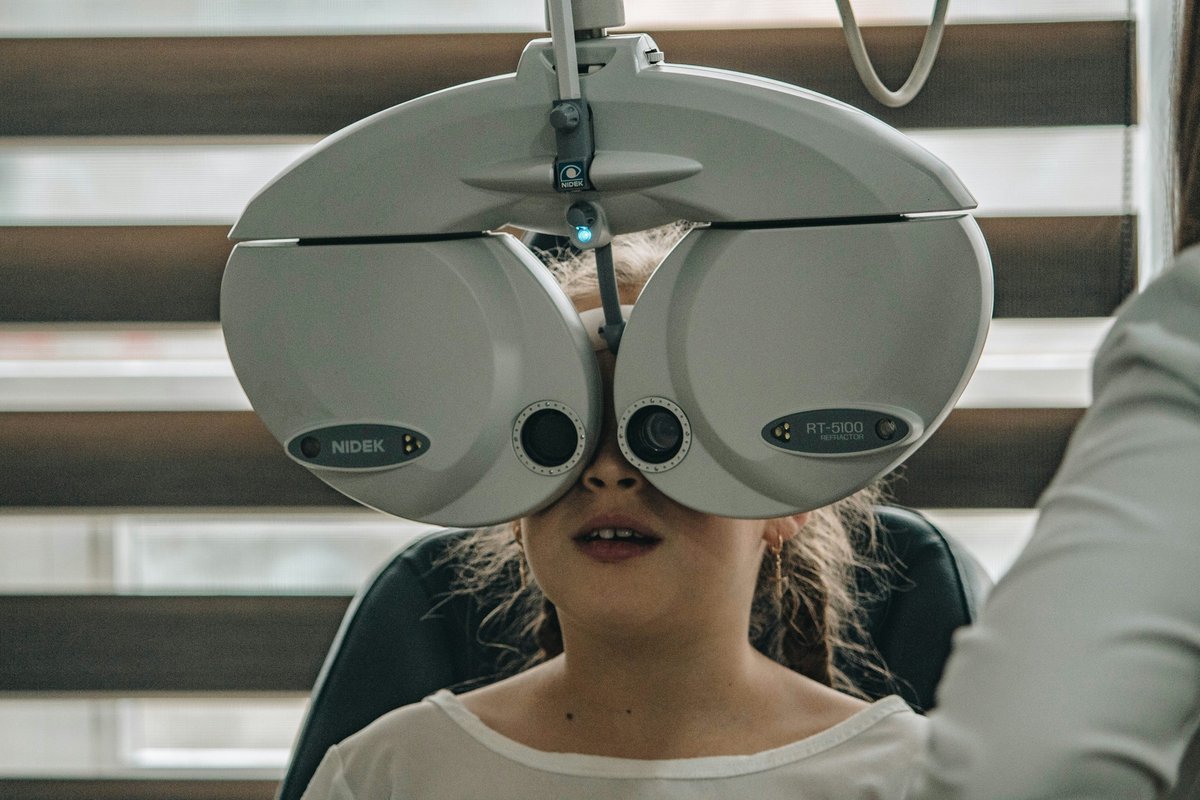
Diagnosing presbyopia is a straightforward process performed during a comprehensive eye examination at Barossa Eye Clinic. Our ophthalmologists will conduct several tests, including:
- Visual Acuity Test: To measure how clearly you see at various distances.
- Refraction Assessment: To determine the exact prescription needed for clear vision.
- Near Vision Test: Specifically designed to assess your ability to focus on close-up objects.
- Slit-Lamp Examination: To examine the structures of your eye, including the lens, for any other conditions.
These tests help confirm presbyopia and rule out other eye conditions that might cause similar symptoms.
Treatment for Presbyopia
While presbyopia cannot be reversed, there are several effective treatment options available to correct vision and alleviate symptoms. The best approach depends on your lifestyle, visual needs, and overall eye health. Our specialists at Barossa Eye Clinic will discuss the most suitable options for you:
Corrective Lenses
- Reading Glasses: The simplest and most common solution for presbyopia. These glasses are worn only when performing close-up tasks. Many people in the Barossa region find over-the-counter reading glasses sufficient initially, but a custom prescription from our clinic ensures optimal vision correction.
- Bifocals: Glasses with two distinct optical powers, one for distance vision and a stronger power for near vision, separated by a visible line.
- Progressive Lenses (Varifocals): These lenses offer a seamless transition between distance, intermediate, and near vision without visible lines, providing a more natural visual experience.
- Contact Lenses: For those who prefer not to wear glasses, multifocal or monovision contact lenses can be an excellent option. Multifocal contacts have different power zones for near and far vision, while monovision involves correcting one eye for distance and the other for near vision.
Surgical Options
For individuals seeking a more permanent solution, surgical interventions can be considered:
- Refractive Lens Exchange (RLE): This procedure involves removing the eye’s natural lens and replacing it with an artificial intraocular lens (IOL) that can correct for presbyopia, such as multifocal or extended depth of focus (EDOF) IOLs.
- Corneal Inlays: A small device implanted into the cornea of one eye to improve near vision.
- Monovision LASIK: While LASIK itself doesn’t treat presbyopia, it can be used to create monovision, similar to monovision contact lenses, where one eye is corrected for distance and the other for near.
Our team at Barossa Eye Clinic will provide a thorough assessment and discuss the risks and benefits of each treatment option to help you make an informed decision.
When to Seek Help
If you are experiencing any of the symptoms of presbyopia, especially if they are interfering with your daily activities or causing discomfort, it is advisable to schedule an eye examination. Early diagnosis and correction can significantly improve your quality of life. Even if you already wear glasses or contact lenses for other vision problems, the onset of presbyopia will require an adjustment to your prescription or a new solution. Regular eye check-ups are crucial for maintaining optimal eye health, particularly as you age.
Frequently Asked Questions about Presbyopia
Q: Can presbyopia be prevented?
A: No, presbyopia is a natural and unavoidable part of the aging process of the eye. It cannot be prevented, but its effects can be effectively managed with various corrective options.
Q: Will my presbyopia continue to worsen?
A: Yes, presbyopia typically progresses until around the age of 60, at which point the lens has usually lost most of its remaining flexibility. Your prescription for reading glasses or other corrective lenses may need to be updated periodically during this time.
Q: Are there exercises to improve presbyopia?
A: Unfortunately, there is no scientific evidence to support eye exercises as a treatment for presbyopia. The condition is caused by physical changes to the eye’s lens and muscles that cannot be reversed or improved through exercise.
Take the First Step Towards Clearer Vision
Don’t let presbyopia hinder your ability to enjoy reading or close-up activities. The expert team at Barossa Eye Clinic in Gawler, serving the wider South Australia region, is here to help. We offer personalised solutions to manage presbyopia effectively. No referral needed — call 1300 107 393 to book your comprehensive eye examination today.
Related Conditions:
Clinical Disclaimer: The information provided on this page is intended for general knowledge and informational purposes only, and does not constitute medical advice. It is essential to consult with a qualified ophthalmologist or healthcare professional for any health concerns or before making any decisions related to your eye health or treatment. The content is not a substitute for professional medical advice, diagnosis, or treatment. Always seek the advice of your physician or other qualified health provider with any questions you may have regarding a medical condition. Never disregard professional medical advice or delay in seeking it because of something you have read on this website.