Diabetic Eye Disease
Diabetic eye disease is a group of eye conditions that can affect people with diabetes. These conditions, including diabetic retinopathy, diabetic macular edema, cataracts, and glaucoma, can lead to severe vision loss and even blindness if not detected and treated early. At Barossa Eye Clinic in Gawler, South Australia, Dr. Deric De Wit and Dr. Andrew Laming are dedicated to providing comprehensive eye care to manage and prevent the progression of diabetic eye disease, helping patients maintain their vision and quality of life.
What is Diabetic Eye Disease?
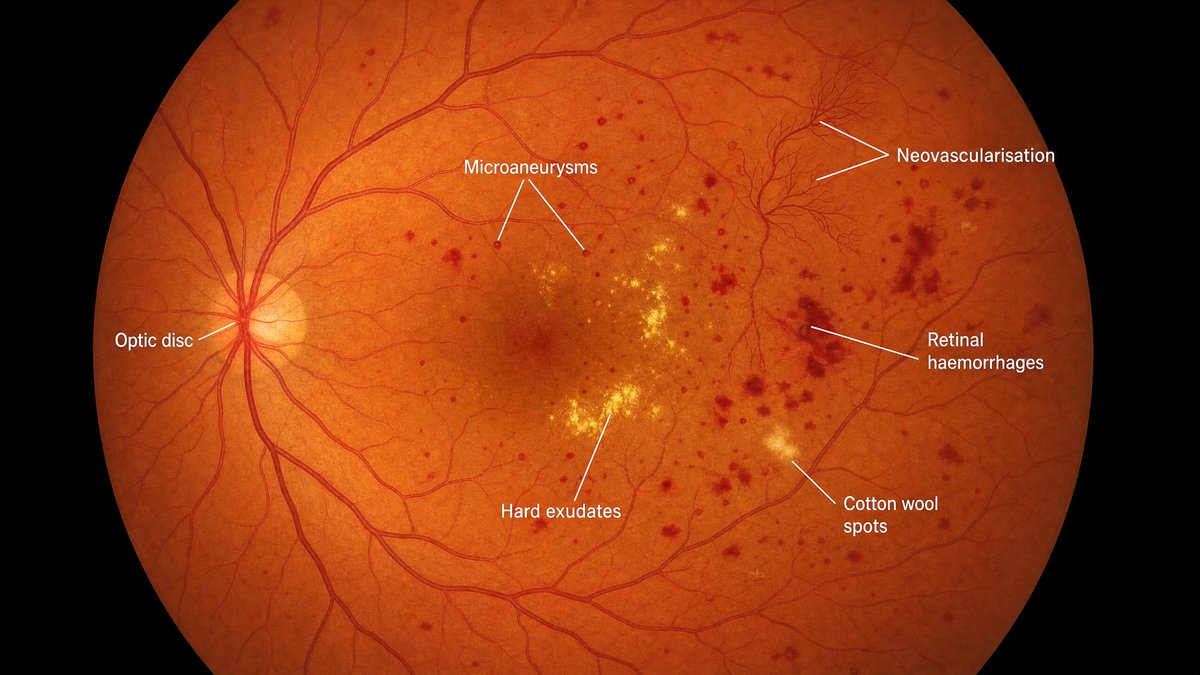
Diabetic eye disease refers to several eye problems that can arise as a complication of diabetes. The most common and serious of these is diabetic retinopathy, which occurs when high blood sugar levels damage the blood vessels in the retina—the light-sensitive tissue at the back of the eye. This damage can cause blood vessels to leak fluid or bleed, leading to blurred vision or blind spots. In advanced stages, abnormal new blood vessels can grow on the surface of the retina, which can bleed into the vitreous (the gel-like substance filling the eye) or cause tractional retinal detachment.
Another significant condition is diabetic macular edema (DME), a consequence of diabetic retinopathy where fluid leaks into the macula, the central part of the retina responsible for sharp, detailed vision. DME can cause the macula to swell, leading to distorted vision and difficulty with tasks like reading and recognizing faces.
Diabetes also increases the risk of developing other eye conditions, such as:
* Cataracts: A clouding of the eye’s natural lens, leading to blurry vision. People with diabetes are more likely to develop cataracts at a younger age and have them progress more quickly.
* Glaucoma: A group of diseases that damage the optic nerve, often due to increased pressure inside the eye. Diabetes can double the risk of developing glaucoma.
Symptoms
In its early stages, diabetic eye disease often has no noticeable symptoms. This is why regular comprehensive eye examinations are crucial for individuals with diabetes. As the disease progresses, symptoms may include:
- Blurred or distorted vision
- Fluctuating vision
- Floaters or dark spots in your vision
- Difficulty seeing at night
- Poor color vision
- Pain or redness in the eye (less common, but can occur with severe complications)
- Sudden loss of vision
It is important to note that these symptoms can also be indicative of other eye conditions, so a professional diagnosis is essential.
Causes/Risk Factors
The primary cause of diabetic eye disease is consistently high blood sugar levels over time, which damage the delicate blood vessels throughout the body, including those in the eyes. Several factors can increase the risk of developing or worsening diabetic eye disease:
- Duration of diabetes: The longer a person has diabetes, the higher the risk.
- Poor blood sugar control: Inadequate management of blood glucose levels is a major risk factor.
- High blood pressure (hypertension): Elevated blood pressure can further damage blood vessels.
- High cholesterol: High levels of blood fats can contribute to blood vessel damage.
- Kidney disease: Diabetic kidney disease is often associated with more severe diabetic retinopathy.
- Pregnancy: Pregnant women with diabetes (gestational diabetes or pre-existing diabetes) may experience rapid progression of diabetic retinopathy.
- Smoking: Smoking further increases the risk of blood vessel damage.
Diagnosis
Early detection is key to preventing severe vision loss from diabetic eye disease. A comprehensive dilated eye examination by an ophthalmologist is the most effective way to diagnose these conditions. During the examination, Dr. De Wit or Dr. Laming at Barossa Eye Clinic will:
- Dilate your pupils: Eye drops are used to widen the pupils, allowing a clear view of the retina and optic nerve.
- Perform a visual acuity test: To measure how well you see at various distances.
- Conduct a tonometry test: To measure the pressure inside your eye (for glaucoma screening).
- Examine the retina: Using specialized instruments, the ophthalmologist will look for signs of diabetic retinopathy, such as leaking blood vessels, swelling, abnormal new blood vessels, or retinal detachment.
- Optical Coherence Tomography (OCT): This advanced imaging technique provides detailed cross-sectional images of the retina, helping to detect and monitor macular edema.
- Fluorescein Angiography: A dye is injected into the arm, and photographs are taken as it circulates through the eye’s blood vessels, highlighting any leaks or blockages.
Treatment
The treatment for diabetic eye disease depends on the specific condition and its severity. The primary goal is to slow or stop the progression of the disease and preserve vision. Effective management of diabetes, including strict control of blood sugar, blood pressure, and cholesterol, is fundamental to all treatment approaches.
Specific treatments may include:
- Anti-VEGF Injections: Medications such as anti-vascular endothelial growth factor (anti-VEGF) agents are injected into the eye to reduce swelling (DME) and inhibit the growth of abnormal blood vessels (proliferative diabetic retinopathy).
- Steroid Injections: Corticosteroids can also be injected into the eye to reduce inflammation and swelling in cases of DME.
- Laser Treatment (Photocoagulation):
- Focal/Grid Laser: Used to treat DME by sealing leaking blood vessels in specific areas of the macula.
- Panretinal Photocoagulation (PRP): Used for proliferative diabetic retinopathy, this treatment involves applying laser spots to the peripheral retina to reduce the growth of abnormal blood vessels and prevent bleeding.
- Vitrectomy: In advanced cases, such as significant bleeding into the vitreous or tractional retinal detachment, a surgical procedure called vitrectomy may be performed to remove blood, scar tissue, and repair the retina.
- Cataract Surgery: If cataracts significantly impair vision, surgical removal and replacement with an artificial lens can restore clarity.
- Glaucoma Treatment: This may involve eye drops, laser procedures, or surgery to lower intraocular pressure and prevent further optic nerve damage.
When to seek help
If you have diabetes, it is crucial to have regular dilated eye examinations as recommended by your ophthalmologist, even if you are not experiencing any symptoms. Early detection and treatment can prevent irreversible vision loss. You should seek immediate medical attention if you experience any sudden changes in your vision, such as:
- Sudden onset of floaters or dark spots
- Flashes of light
- Blurred or distorted vision that comes on quickly
- Any sudden decrease in vision
- Eye pain or redness that persists
Do not wait for symptoms to become severe. Contact Barossa Eye Clinic promptly if you notice any changes in your vision or if it has been a long time since your last eye check-up.
FAQ
Q: Can diabetic eye disease be cured?
A: While there is no complete cure for diabetic eye disease, early detection and consistent treatment can effectively manage the condition, prevent its progression, and preserve vision. Strict control of blood sugar, blood pressure, and cholesterol is also vital.
Q: How often should I have an eye exam if I have diabetes?
A: The frequency of eye exams depends on the type and duration of your diabetes, as well as the presence and severity of any diabetic eye disease. Generally, individuals with diabetes should have a comprehensive dilated eye exam at least once a year. Your ophthalmologist at Barossa Eye Clinic will advise you on the appropriate schedule for your specific needs.
Q: Is diabetic eye disease painful?
A: In most cases, diabetic retinopathy and macular edema are not painful in their early stages. Pain typically only occurs in advanced stages or with complications such as acute glaucoma or severe bleeding. This lack of pain is why regular screenings are so important.
Related Conditions
Book Your Comprehensive Eye Examination Today
Protect your vision with expert care from Barossa Eye Clinic. Our experienced ophthalmologists, Dr. Deric De Wit and Dr. Andrew Laming, provide thorough assessments and personalized treatment plans for diabetic eye disease and other eye conditions. Located conveniently in Gawler, serving the Barossa Valley and wider South Australia region, we are here to help you maintain optimal eye health.
No referral needed — call 1300 107 393 to schedule your appointment.
Clinical Disclaimer: The information provided on this page is intended for general educational purposes only and does not constitute medical advice. It is not a substitute for professional medical diagnosis, treatment, or care. Always seek the advice of a qualified healthcare professional, such as an ophthalmologist, for any questions regarding your medical condition or treatment. Individual results may vary. Barossa Eye Clinic does not endorse any specific treatments or products mentioned herein without a personalized consultation.