
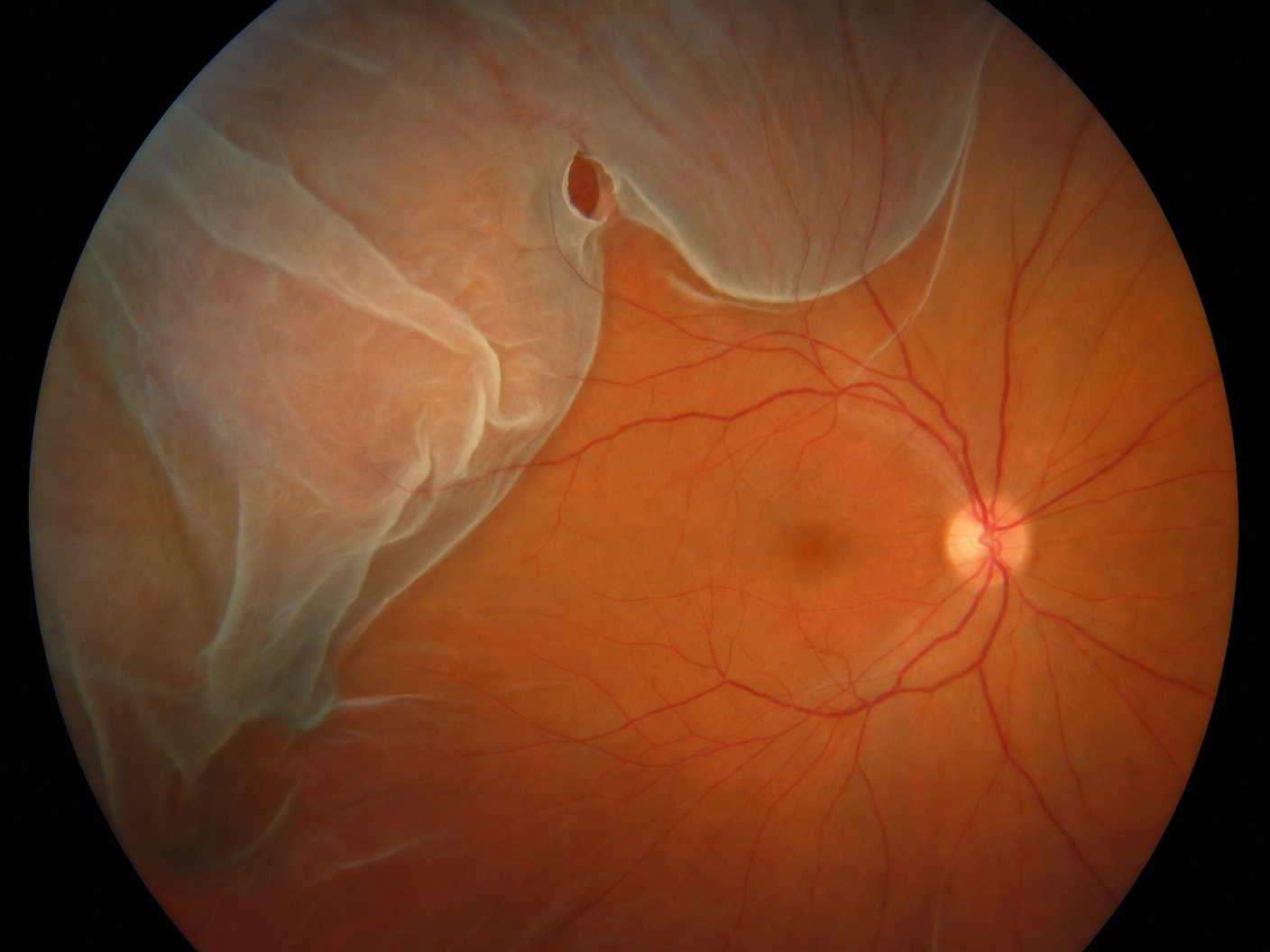
Floaters, Flashes & Retinal Detachment
At Barossa Eye Clinic, located conveniently in Gawler, South Australia, our dedicated ophthalmologists, Dr. Deric De Wit and Dr. Andrew Laming, are committed to providing comprehensive eye care for our community. Understanding the symptoms of common eye conditions is crucial for maintaining good vision. Floaters, flashes, and particularly retinal detachment, are serious conditions that require prompt attention. This page provides essential information to help you understand these conditions and when to seek professional help from our clinic in the Barossa Valley region.
What are Floaters, Flashes & Retinal Detachment?
Floaters
Floaters are small specks, dots, circles, lines, or cobwebs that drift across your field of vision. They are most noticeable when looking at a plain bright surface, like a white wall or a clear blue sky. Floaters are typically caused by tiny clumps of collagen fibres within the vitreous humour, the jelly-like substance that fills the inside of your eye. As we age, the vitreous can shrink and pull away from the retina, a process known as posterior vitreous detachment (PVD). While often harmless, a sudden increase in floaters can be a warning sign of a more serious underlying issue.
Flashes
Flashes appear as brief streaks or flashes of light in your vision, similar to seeing ‘stars’ after being hit on the head. These flashes occur when the vitreous gel pulls on or rubs against the retina. Like floaters, occasional flashes can be a normal part of the aging process. However, new, sudden, or persistent flashes, especially when accompanied by new floaters or a shadow in your vision, warrant immediate medical evaluation.
Retinal Detachment
A retinal detachment is a serious eye condition where the retina, the light-sensitive tissue at the back of the eye, pulls away from its normal position. The retina’s function is to convert light into electrical signals that are sent to the brain, allowing us to see. When it detaches, it loses its blood supply and nutrient source, leading to vision loss if not treated promptly. Retinal detachment is a medical emergency that can lead to permanent blindness if left untreated.
Symptoms of Floaters, Flashes & Retinal Detachment
While floaters and flashes can be benign, certain symptoms, especially when they appear suddenly or worsen, indicate a potential retinal detachment. It is vital to recognise these warning signs:
- Sudden increase in floaters: A shower of new floaters, particularly if they are dark and numerous.
- New or worsening flashes of light: Persistent or intense flashes, especially in your peripheral (side) vision.
- A shadow or ‘curtain’ effect: A dark shadow or curtain appearing in your field of vision, often starting from the side and expanding. This is a classic symptom of retinal detachment.
- Blurred vision: General blurring or dimming of vision in the affected eye.
- Loss of peripheral vision: A gradual reduction in your side vision.
If you experience any of these symptoms, particularly a sudden onset, contact Barossa Eye Clinic in Gawler immediately.
Causes and Risk Factors
Several factors can contribute to the development of floaters, flashes, and retinal detachment:
- Age: The most common cause of floaters and flashes is the natural aging process, leading to vitreous shrinkage and PVD.
- Myopia (Nearsightedness): Highly myopic individuals have longer eyeballs, which can make their retinas thinner and more prone to detachment.
- Eye trauma: A direct injury to the eye or head can cause the retina to detach.
- Previous eye surgery: Procedures such as cataract surgery can increase the risk of retinal detachment, sometimes even years later.
- Family history: A genetic predisposition can increase your risk if close family members have experienced retinal detachment.
- Other eye diseases: Conditions like diabetic retinopathy, retinoschisis, or lattice degeneration can weaken the retina and make it more susceptible to detachment.
Diagnosis
Diagnosing floaters, flashes, and especially retinal detachment, requires a comprehensive eye examination by an ophthalmologist. At Barossa Eye Clinic, our specialists will perform a thorough assessment, which typically includes:
- Pupil dilation: Eye drops are used to widen your pupils, allowing the doctor to get a clear view of the retina and vitreous.
- Ophthalmoscopy: Using a special instrument, the ophthalmologist will examine the back of your eye, looking for any tears, holes, or detachment in the retina.
- Slit-lamp examination: This allows for a magnified view of the front and back structures of the eye.
- Optical Coherence Tomography (OCT): In some cases, an OCT scan may be used to provide detailed cross-sectional images of the retina.
Early and accurate diagnosis is critical for effective treatment and preserving vision, particularly for retinal detachment in Gawler, SA.
Treatment Options
The treatment for floaters, flashes, and retinal detachment varies significantly depending on the underlying cause and severity:
Floaters and Flashes
Most benign floaters and flashes do not require treatment. They often become less noticeable over time as the brain learns to ignore them. However, if they are very dense and significantly impair vision, a vitrectomy (surgical removal of the vitreous gel) may be considered, though this is rare due to potential risks.
Retinal Detachment
Retinal detachment is a medical emergency and almost always requires surgical intervention. The goal of surgery is to reattach the retina to the back of the eye and seal any tears or holes. Common surgical procedures include:
- Pneumatic Retinopexy: A gas bubble is injected into the eye, which pushes the retina back into place. Laser or cryopexy (freezing) is then used to seal the retinal tear.
- Scleral Buckle: A silicone band is surgically attached to the outside of the eyeball to gently push the wall of the eye inward, thereby supporting the retina and allowing it to reattach.
- Vitrectomy: The vitreous gel is removed from the eye and replaced with a gas bubble, silicone oil, or saline solution to hold the retina in place while it heals. Laser or cryopexy is also performed to seal tears.
The choice of procedure depends on the characteristics of the detachment, and our specialists at Barossa Eye Clinic will discuss the most appropriate option for your specific situation.
When to Seek Help
It is crucial to understand that while some floaters and flashes are normal, a sudden change in their appearance or the development of new symptoms can indicate a serious problem like retinal detachment. If you experience any of the following, seek immediate medical attention:
- A sudden increase in the number or size of floaters.
- New flashes of light, especially if they are frequent or intense.
- A shadow or ‘curtain’ obscuring any part of your vision.
- Any sudden decrease or change in your vision.
Do not delay seeking help. Early diagnosis and treatment of retinal detachment significantly improve the chances of preserving your vision. Contact Barossa Eye Clinic in Gawler without delay if you have concerns.
Frequently Asked Questions (FAQ)
Q: Can floaters and flashes lead to blindness?
A: While floaters and flashes themselves are usually harmless, they can be symptoms of a more serious underlying condition, such as a retinal tear or detachment. If a retinal detachment is not treated promptly, it can lead to permanent vision loss or blindness. Therefore, it’s important to have any new or worsening symptoms checked by an ophthalmologist.
Q: Is retinal detachment painful?
A: No, retinal detachment itself is typically not painful. The retina does not have pain receptors. The symptoms are primarily visual, such as new floaters, flashes, or a shadow in your vision. This lack of pain is why it’s so important to be aware of the visual warning signs and seek immediate care.
Q: How long does it take to recover from retinal detachment surgery?
A: Recovery time varies depending on the type of surgery and individual healing. Vision may take several weeks to months to improve, and full visual recovery may not always be achieved. Your ophthalmologist at Barossa Eye Clinic will provide specific post-operative instructions and follow-up care to ensure the best possible outcome.
Concerned About Your Vision?
If you are experiencing new floaters, flashes, or any changes in your vision, don’t wait. Early detection and treatment are vital for protecting your eyesight. Our experienced team at Barossa Eye Clinic is here to provide expert care. No referral needed — call 1300 107 393 to book your appointment today. We proudly serve the Barossa Valley, Gawler, and wider South Australian community.
Related Conditions:
Clinical Disclaimer: The information provided on this page by Barossa Eye Clinic is for general educational purposes only and is not intended as medical advice. It is essential to consult with a qualified ophthalmologist for diagnosis and treatment of any eye condition. Individual results may vary. Always seek the advice of your physician or other qualified health provider with any questions you may have regarding a medical condition.