Red Eye – Causes & Treatment | Barossa Eye Clinic Gawler
Experiencing a red eye can be concerning, but it’s a common condition with a variety of causes, ranging from minor irritations to more serious underlying issues. At Barossa Eye Clinic in Gawler, South Australia, our experienced ophthalmologists, Dr. Deric De Wit and Dr. Andrew Laming, are dedicated to providing comprehensive diagnosis and effective red eye treatment to protect your vision and comfort.
What is Red Eye?
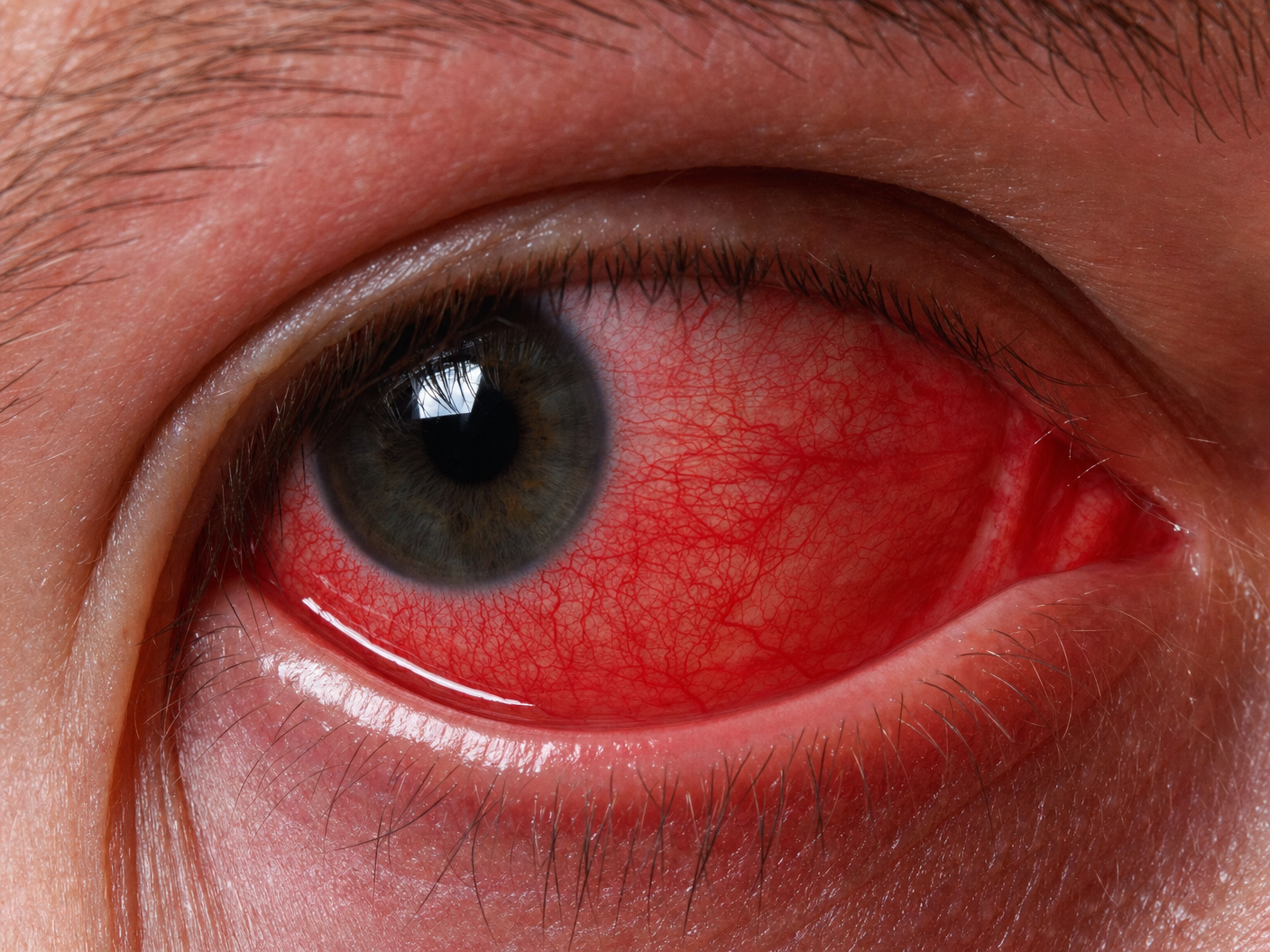
Red eye, medically known as ocular hyperemia, occurs when the blood vessels on the surface of the eye become dilated and inflamed, making the white part of your eye (sclera) appear red or bloodshot. This redness can affect one or both eyes and may be accompanied by other symptoms, depending on the cause. While often harmless, persistent or painful red eye warrants professional evaluation to rule out serious conditions.
Symptoms of Red Eye
The primary symptom of red eye is the visible redness of the sclera. However, depending on the underlying cause, you may also experience a range of other symptoms:
- Irritation or discomfort: A feeling of grittiness, burning, or itching.
- Pain: Mild to severe pain, especially with certain conditions like glaucoma or corneal ulcers.
- Discharge: Watery, mucous, or pus-like discharge from the eye.
- Light sensitivity (photophobia): Discomfort or pain when exposed to bright light.
- Blurred vision: Vision changes can indicate a more serious condition affecting the cornea or internal structures.
- Foreign body sensation: The feeling that something is in your eye.
- Swelling: Swelling of the eyelids or around the eye.
Causes and Risk Factors of Red Eye
Red eye can stem from numerous factors, from benign environmental irritants to serious ocular diseases. Understanding the potential causes is crucial for effective red eye treatment in Gawler.
Common Causes:
- Conjunctivitis (Pink Eye): Inflammation of the conjunctiva, often caused by viral or bacterial infections, or allergies. It’s highly contagious if infectious.
- Dry Eyes: Insufficient tear production or poor tear quality can lead to irritation and redness.
- Allergies: Exposure to allergens like pollen, dust mites, or pet dander can trigger allergic conjunctivitis.
- Blepharitis: Inflammation of the eyelids, often at the base of the eyelashes, leading to redness and irritation.
- Subconjunctival Haemorrhage: A broken blood vessel on the surface of the eye, causing a bright red patch. It looks alarming but is usually harmless and resolves on its own.
- Environmental Irritants: Exposure to smoke, dust, wind, or chemicals can cause temporary redness.
More Serious Causes:
- Acute Angle-Closure Glaucoma: A sudden, severe increase in eye pressure that can cause intense pain, redness, blurred vision, and halos around lights. This is a medical emergency.
- Corneal Ulcer: An open sore on the cornea, often due to infection (bacterial, viral, fungal) or trauma, leading to pain, redness, and vision impairment.
- Uveitis: Inflammation of the uvea (the middle layer of the eye), which can cause pain, redness, light sensitivity, and blurred vision.
- Scleritis/Episcleritis: Inflammation of the sclera (white outer layer of the eye) or episclera (layer between conjunctiva and sclera), often associated with systemic autoimmune diseases.
- Foreign Body: A particle lodged in the eye can cause significant irritation and redness.
Diagnosis of Red Eye
Accurate diagnosis is key to determining the appropriate red eye treatment. At Barossa Eye Clinic, our ophthalmologists will conduct a thorough eye examination, which may include:
- Detailed History: Asking about your symptoms, their onset, any associated pain, discharge, vision changes, and your general health history.
- Visual Acuity Test: To check for any changes in your vision.
- Slit Lamp Examination: Using a special microscope to examine the front and internal structures of your eye in detail.
- Eye Pressure Measurement: To check for conditions like glaucoma.
- Pupil Dilation: To allow for a better view of the back of the eye.
- Corneal Staining: Using a special dye (fluorescein) to highlight any abrasions or ulcers on the cornea.
- Swab Cultures: In cases of suspected infection, a sample of discharge may be taken for laboratory analysis.
Treatment for Red Eye
Red eye treatment varies widely depending on the underlying cause. Our ophthalmologists at Barossa Eye Clinic will tailor a treatment plan specifically for your condition:
- Bacterial Conjunctivitis: Antibiotic eye drops or ointments.
- Viral Conjunctivitis: Often self-limiting; supportive care like cold compresses and lubricating eye drops to relieve symptoms.
- Allergic Conjunctivitis: Antihistamine eye drops, mast cell stabilisers, or oral antihistamines. Avoiding allergens is also crucial.
- Dry Eyes: Lubricating eye drops (artificial tears), punctal plugs, or prescription medications to increase tear production.
- Blepharitis: Eyelid hygiene, warm compresses, and sometimes antibiotic ointments.
- Subconjunctival Haemorrhage: No specific treatment; it resolves on its own within 1-2 weeks.
- Foreign Body: Removal of the foreign object, followed by antibiotic drops to prevent infection.
- Glaucoma: Eye drops to lower eye pressure, laser treatment, or surgery.
- Corneal Ulcer: Intensive antibiotic, antiviral, or antifungal eye drops.
- Uveitis: Steroid eye drops or oral steroids to reduce inflammation.
It is important to follow your ophthalmologist’s instructions carefully and complete the full course of any prescribed medication, even if your symptoms improve.
When to Seek Help
While some causes of red eye are minor, it’s always best to seek professional medical attention if you experience:
- Sudden, severe eye pain.
- Sudden changes in vision, including blurred vision or vision loss.
- Extreme sensitivity to light.
- Seeing halos around lights.
- A foreign body sensation that doesn’t resolve.
- Redness that worsens or persists for more than a few days.
- Discharge that is thick, yellow, or green.
- Recent eye injury or trauma.
For residents of the Barossa Valley and surrounding areas, including Gawler, the ophthalmologists at Barossa Eye Clinic are readily available to assess your condition and provide expert red eye treatment.
Frequently Asked Questions about Red Eye
Q: Can red eye be a sign of something serious?
A: Yes, while often benign, red eye can indicate serious conditions such as acute glaucoma, corneal ulcers, or uveitis, which can lead to permanent vision loss if not treated promptly. It’s always best to have persistent or painful red eye evaluated by an ophthalmologist.
Q: Is red eye contagious?
A: It depends on the cause. If your red eye is due to infectious conjunctivitis (viral or bacterial), it is highly contagious. Allergic conjunctivitis or redness from dry eyes or irritation is not contagious.
Q: How can I prevent red eye?
A: Prevention depends on the cause. Good hand hygiene, avoiding touching your eyes, not sharing eye makeup, and managing allergies can help prevent infectious or allergic causes. For dry eyes, using lubricating drops and avoiding environmental irritants can be beneficial. Regular eye check-ups are also important.
Concerned about Red Eye?
Don’t let red eye discomfort or worry affect your daily life. Our expert team at Barossa Eye Clinic is here to provide accurate diagnosis and effective red eye treatment. No referral needed — call 1300 107 393 to book your appointment today.
Related Conditions:
Clinical Disclaimer: The information provided on this page is for general educational purposes only and does not constitute medical advice. It is not a substitute for professional medical diagnosis or treatment. Always seek the advice of a qualified healthcare provider, such as an ophthalmologist at Barossa Eye Clinic, for any questions regarding your medical condition or before making any decisions about your health or treatment. Individual results may vary.