Blepharitis Treatment | Barossa Eye Clinic – Gawler SA
What is Blepharitis?
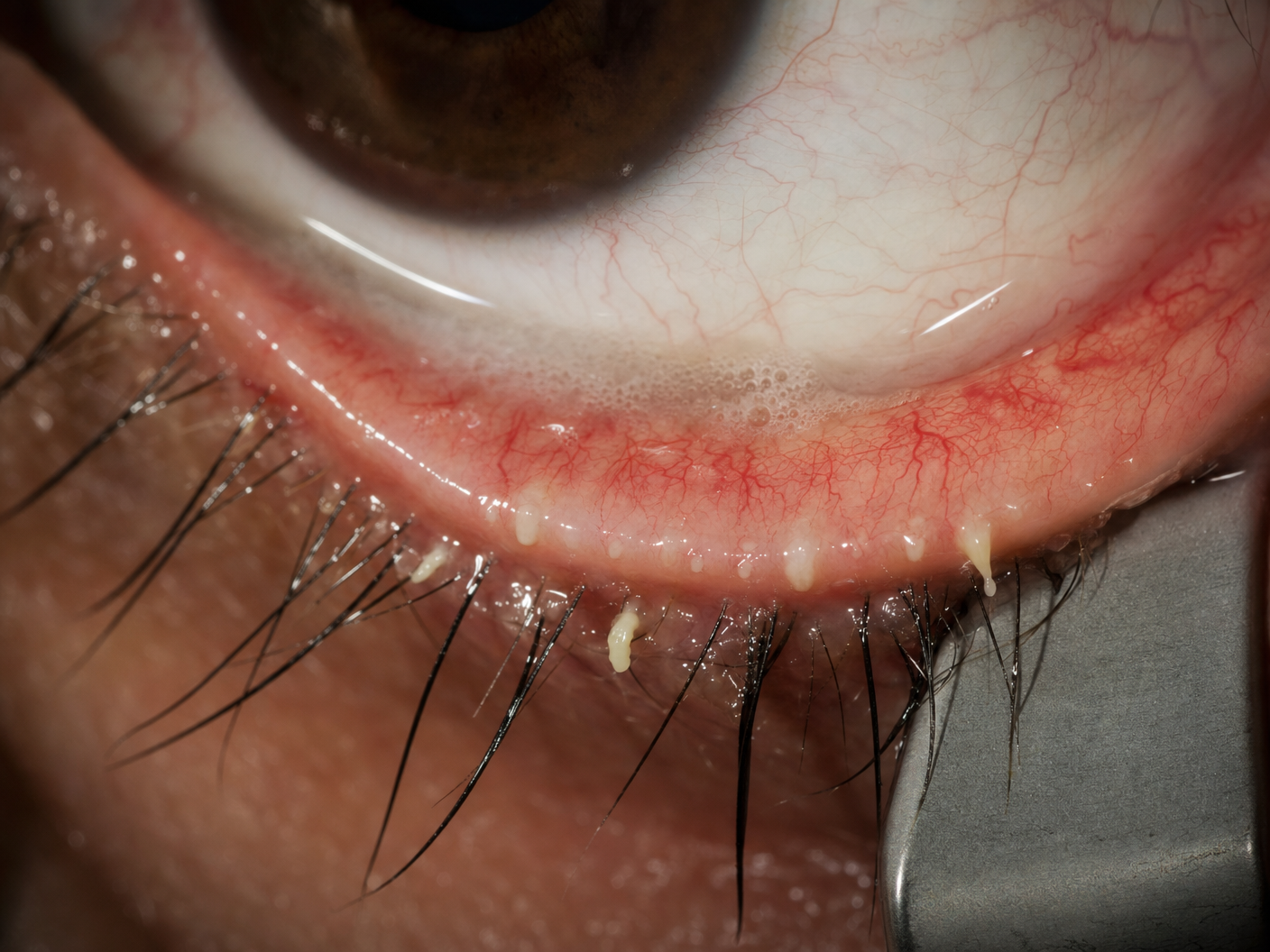
Blepharitis is a common and often chronic inflammation of the eyelids, specifically affecting the margins where the eyelashes grow. It can be uncomfortable, causing irritation, itching, and redness of the eyes. While not usually sight-threatening, it can lead to more serious complications if left untreated, such as corneal inflammation or infection. This condition is prevalent across all age groups and can be a persistent challenge for many. At Barossa Eye Clinic in Gawler, South Australia, our experienced ophthalmologists, Dr. Deric De Wit and Dr. Andrew Laming, are dedicated to providing comprehensive diagnosis and effective blepharitis treatment options tailored to your needs.
Symptoms of Blepharitis
The symptoms of blepharitis can vary in severity and may come and go. They often affect both eyes and are typically worse in the mornings. Common symptoms include:
- Red, irritated eyes: The whites of the eyes may appear bloodshot, and the eyelids themselves can be red and swollen.
- Itchy eyelids: A persistent itching sensation along the eyelid margins.
- Gritty or burning sensation: Patients often describe feeling like something is in their eye.
- Flaky or crusty eyelids: Small, dandruff-like flakes or crusts may accumulate at the base of the eyelashes, especially upon waking.
- Watery eyes: Excessive tearing can occur as a reflex to irritation.
- Sensitivity to light (photophobia): Bright lights may cause discomfort.
- Loss of eyelashes (madarosis) or misdirected eyelashes (trichiasis): In chronic cases, eyelashes may fall out or grow inwards.
- Foamy tears: Tears may appear bubbly.
- Blurred vision: This can be temporary and often improves with blinking.
If you experience any of these symptoms, particularly if they are persistent or worsening, it is advisable to seek professional medical advice from an ophthalmologist.
Causes and Risk Factors
Blepharitis can be broadly categorised into two main types: anterior blepharitis and posterior blepharitis, though often both can occur simultaneously.
Anterior Blepharitis
This type affects the outside front of the eyelid, where the eyelashes attach. Common causes include:
- Staphylococcal infection: A bacterial infection by Staphylococcus bacteria, often found on the skin.
- Seborrhoeic dermatitis: A condition that causes oily or flaky skin, including on the scalp (dandruff) and eyebrows.
Posterior Blepharitis
This type affects the inner edge of the eyelid that touches the eye, specifically involving the meibomian glands. These glands produce the oily part of tears. When they become blocked or inflamed, it leads to:
- Meibomian Gland Dysfunction (MGD): The glands don’t secrete enough oil, or the oil is of poor quality, leading to dry eyes and inflammation.
- Rosacea: A skin condition characterised by facial redness and visible blood vessels, which can also affect the eyes.
General Risk Factors:
- Age: More common in older individuals.
- Oily skin: Individuals with naturally oily skin are more prone.
- Allergies: Allergic reactions can exacerbate eyelid inflammation.
- Poor eyelid hygiene: Not cleaning the eyelids regularly can contribute to bacterial buildup.
- Environmental factors: Dust, smoke, and dry climates can irritate the eyes and worsen symptoms.
Diagnosis
Diagnosing blepharitis typically involves a comprehensive eye examination by an ophthalmologist. At Barossa Eye Clinic, our specialists will:
- Review your medical history: Discuss your symptoms, their duration, and any relevant medical conditions.
- External eye examination: Visually inspect your eyelids, eyelashes, and the surrounding skin for signs of inflammation, redness, flaking, or crusting.
- Slit-lamp examination: Use a special microscope with a bright light to examine your eyelids and eyes in detail, checking the meibomian glands and the surface of your eye for any complications.
- Eyelash or skin culture (rarely): In some cases, a sample of crusts or oil may be taken from your eyelids to identify the type of bacteria or fungus present, especially if the condition is not responding to treatment.
Early and accurate diagnosis is crucial for effective management and to prevent potential complications.
Treatment
Blepharitis is often a chronic condition, meaning it may require ongoing management rather than a complete cure. The goal of blepharitis treatment is to control symptoms, prevent flare-ups, and avoid complications. Our ophthalmologists at Barossa Eye Clinic will develop a personalised treatment plan, which may include:
- Eyelid Hygiene: This is the cornerstone of blepharitis management.
- Warm compresses: Applying a warm, moist cloth to closed eyelids for 5-10 minutes several times a day helps soften crusts and loosen oily secretions from the meibomian glands.
- Eyelid scrubs: Gently cleaning the eyelid margins with a cotton swab or clean cloth dipped in diluted baby shampoo or a specially formulated eyelid cleanser. This helps remove debris and bacteria.
- Eyelid massage: After warm compresses, gently massage the eyelids to express oil from the meibomian glands.
- Medications:
- Antibiotic eye drops or ointments: Prescribed for bacterial infections, especially if there are signs of infection or if hygiene alone is insufficient.
- Steroid eye drops: Used for short periods to reduce severe inflammation.
- Oral antibiotics: In more severe or persistent cases, oral antibiotics may be prescribed.
- Artificial tears: To alleviate dry eye symptoms often associated with blepharitis.
- Addressing underlying conditions: Managing conditions like rosacea or seborrhoeic dermatitis can significantly improve blepharitis symptoms.
- Meibomian Gland Expression: In some cases of MGD, your ophthalmologist may perform in-office procedures to manually express blocked meibomian glands.
Consistency with your treatment regimen is key to managing blepharitis effectively.
When to Seek Help
While blepharitis is generally not an emergency, it’s important to know when to seek professional help. You should contact Barossa Eye Clinic if:
- Your symptoms worsen despite regular eyelid hygiene.
- You experience severe eye pain, sudden vision changes, or extreme light sensitivity.
- Your eyes become very red or swollen.
- You suspect an eye infection.
- Over-the-counter remedies are not providing relief.
Our team in Gawler, serving the wider Barossa Valley and South Australia region, is here to provide expert care and guidance.
FAQ
Q: Is blepharitis contagious?
A: No, blepharitis is not contagious. It is an inflammatory condition, often associated with bacteria or skin conditions naturally present on the body, and cannot be spread from person to person.
Q: Can blepharitis cause permanent vision loss?
A: While blepharitis itself is rarely sight-threatening, chronic inflammation can sometimes lead to complications like corneal ulcers or scarring, which could potentially affect vision if left untreated. Regular management helps prevent these serious issues.
Q: How long does blepharitis treatment take to work?
A: Improvement in symptoms can often be noticed within a few days to weeks of consistent treatment. However, as blepharitis is often chronic, ongoing eyelid hygiene and management are usually required to keep symptoms under control and prevent recurrence.
No referral needed — call 1300 107 393
If you are experiencing symptoms of blepharitis or have concerns about your eye health, don’t hesitate to contact Barossa Eye Clinic. Our friendly team is ready to assist you. You can find us at 10 Seventh Street, Gawler SA 5118. We are committed to providing exceptional eye care to the communities of Gawler, the Barossa Valley, and throughout South Australia.
Ready to take control of your eye health?
Contact Barossa Eye Clinic today to schedule an appointment with Dr. Deric De Wit or Dr. Andrew Laming. No referral needed — call 1300 107 393 or visit our clinic at 10 Seventh Street, Gawler SA 5118.
Clinical Disclaimer: The information provided on this page is for general educational purposes only and does not constitute medical advice. It is not a substitute for professional medical diagnosis, treatment, or advice. Always seek the advice of a qualified healthcare provider, such as an ophthalmologist, for any questions you may have regarding a medical condition or treatment. Do not disregard professional medical advice or delay in seeking it because of something you have read on this website. Individual results may vary. Barossa Eye Clinic and its practitioners do not endorse any specific products or treatments mentioned herein without a thorough consultation.
Related Conditions: