Emergency Eye Care
Experiencing a sudden eye injury or a rapid change in vision can be alarming and requires immediate attention. At Barossa Eye Clinic, located conveniently in Gawler, South Australia, we understand the urgency of eye emergencies. Our dedicated team, led by Dr. Deric De Wit and Dr. Andrew Laming, is equipped to provide prompt and expert care for a wide range of acute eye conditions. When time is critical, knowing where to find an emergency eye doctor Gawler residents can trust is paramount to preserving your vision and eye health.
What is Emergency Eye Care?
Emergency eye care refers to the immediate medical attention required for conditions that pose a threat to your vision or the health of your eyes. These situations can arise suddenly and, if left untreated, may lead to permanent vision loss or severe discomfort. Unlike routine eye check-ups, an eye emergency demands swift assessment and intervention to prevent further damage and ensure the best possible outcome. Whether it’s a foreign object, a chemical splash, or sudden vision changes, acting quickly is key.
Symptoms of an Eye Emergency
Recognising the signs of an eye emergency is crucial for seeking timely help. If you experience any of the following symptoms, please contact Barossa Eye Clinic or seek emergency medical attention immediately:
- Sudden, severe eye pain: Pain that is intense, persistent, or accompanied by other symptoms.
- Sudden loss or decrease in vision: This can affect one or both eyes and may appear as a blur, shadow, or complete blackout.
- Foreign object in the eye: Especially if it’s embedded, sharp, or causing significant irritation.
- Chemical exposure: Any chemical splash or fumes in the eye requires immediate flushing and medical review.
- Double vision: New onset of seeing two images instead of one.
- Flashes of light or new, numerous floaters: These can indicate a retinal detachment or tear.
- Redness and discharge: Particularly if severe, painful, or accompanied by vision changes.
- Swelling or bruising around the eye: Especially after trauma.
- Pupil abnormalities: Pupils that are unequal in size or do not react normally to light.
Causes and Risk Factors for Eye Emergencies
Eye emergencies can stem from various causes, often related to accidents or underlying health conditions. Common causes and risk factors include:
- Trauma and injuries: Sports injuries, workplace accidents (e.g., construction, welding), car accidents, or falls can lead to blunt force trauma, penetrating injuries, or orbital fractures.
- Chemical exposure: Household cleaners, industrial chemicals, or even cosmetics can cause severe burns to the eye.
- Foreign bodies: Dust, grit, metal shavings, or glass can enter the eye, causing abrasions or embedding themselves.
- Infections: Bacterial, viral, or fungal infections can rapidly progress, leading to conditions like severe conjunctivitis, keratitis, or endophthalmitis.
- Acute glaucoma: A sudden, painful increase in eye pressure that can rapidly damage the optic nerve.
- Retinal detachment: Often spontaneous, but risk factors include severe myopia, previous eye surgery, or eye trauma.
- Sudden vascular events: Blockages in the blood vessels of the retina (e.g., retinal artery occlusion, retinal vein occlusion) can cause sudden vision loss.
Diagnosis of Eye Emergencies
When you arrive at Barossa Eye Clinic with an eye emergency, our priority is a rapid and thorough assessment. Our ophthalmologists, Dr. De Wit and Dr. Laming, will conduct a comprehensive examination to accurately diagnose your condition. This may involve:
- Detailed history taking: Asking about the onset of symptoms, any recent injuries, medical history, and medications.
- Visual acuity testing: To assess the extent of vision loss.
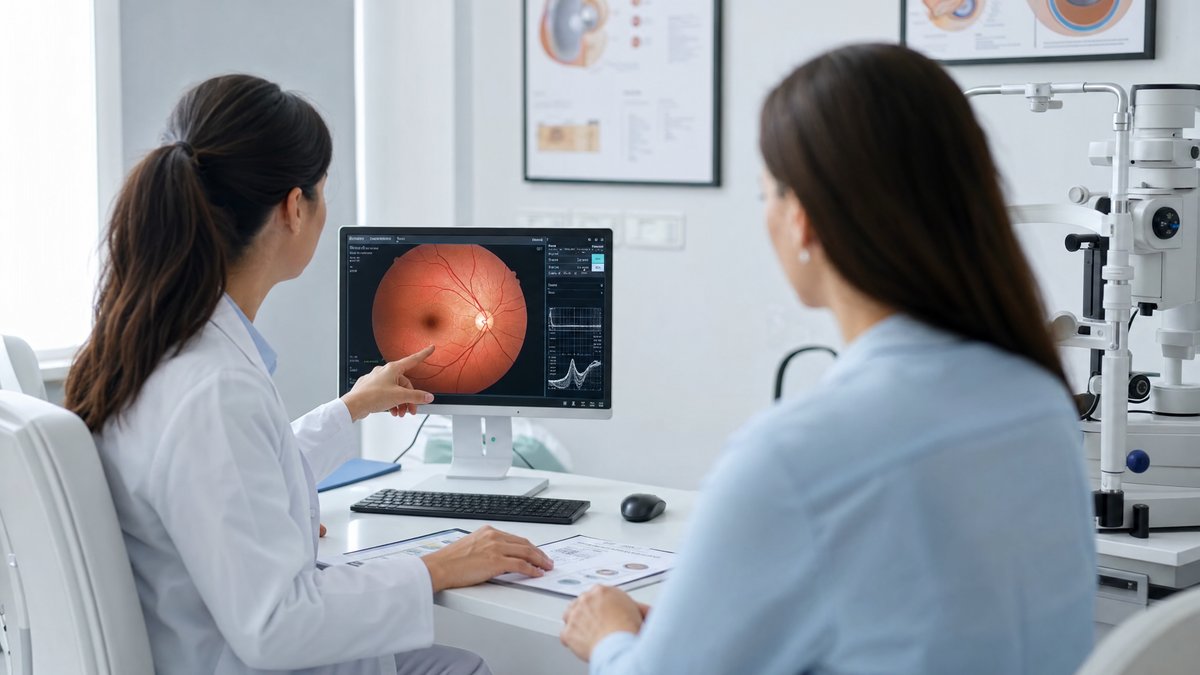
- Slit lamp examination: A powerful microscope used to examine the front and back structures of the eye.
- Tonometry: Measuring the pressure inside your eye.
- Dilated fundus examination: To view the retina and optic nerve.
- Imaging: Depending on the suspected condition, we may use optical coherence tomography (OCT), ultrasound, or refer for other imaging like CT scans.
Our clinic is equipped with advanced diagnostic tools to ensure a precise and timely diagnosis, which is critical for effective treatment.
Treatment for Eye Emergencies
Treatment for eye emergencies varies widely depending on the specific condition. At Barossa Eye Clinic, we provide a range of immediate interventions and ongoing care:
- Foreign body removal: Careful and sterile removal of objects from the eye surface or embedded in the cornea.
- Wound repair: Suturing of lacerations to the eyelids or conjunctiva.
- Medication: Prescribing antibiotics for infections, anti-inflammatory drops, or medications to reduce eye pressure.
- Chemical burn management: Thorough irrigation and ongoing treatment to minimise damage.
- Referral to specialists: For complex cases such as severe retinal detachments or extensive trauma, we will coordinate urgent referrals to appropriate sub-specialists or tertiary hospitals within South Australia.
Our goal is always to stabilise the condition, alleviate pain, and work towards the best possible visual outcome.
When to Seek Help
If you suspect an eye emergency, do not delay. Prompt action can make a significant difference in the prognosis. Contact Barossa Eye Clinic immediately if you experience any sudden changes in your vision, severe eye pain, or an eye injury. If our clinic is closed, or if the injury is life-threatening, proceed directly to the nearest hospital emergency department. For residents seeking an emergency eye doctor Gawler, Barossa Eye Clinic is a trusted local resource.
FAQ
Q: Can I wait until morning to see an eye doctor if my eye is painful?
A: No. Severe eye pain, especially if sudden or accompanied by vision changes, should be evaluated immediately. Delaying care can lead to more serious complications or permanent vision loss.
Q: What should I do if I get a chemical in my eye?
A: Immediately flush your eye with plenty of clean water for at least 15-20 minutes. Do not rub your eye. After flushing, seek emergency medical attention without delay.
Q: Is a sudden increase in floaters or flashes of light an emergency?
A: Yes, a sudden onset of new, numerous floaters or flashes of light can be a symptom of a retinal tear or detachment, which requires urgent assessment to prevent vision loss.
Need Emergency Eye Care?
If you are experiencing an eye emergency, do not hesitate. Contact Barossa Eye Clinic for urgent assessment and care. No referral needed — call 1300 107 393.
Our clinic is located at 10 Seventh Street, Gawler SA 5118, serving the Barossa Valley and surrounding regions of South Australia.
Related Conditions:
Clinical Disclaimer: The information provided on this page is for general educational purposes only and does not constitute medical advice. It is not a substitute for professional medical diagnosis or treatment. Always seek the advice of a qualified healthcare provider for any questions you may have regarding a medical condition or treatment. If you are experiencing an eye emergency, please seek immediate medical attention.