Blepharoplasty (Eyelid Surgery)
Blepharoplasty, commonly known as eyelid surgery, is a surgical procedure performed to remove excess skin, muscle, and sometimes fat from the eyelids. This procedure can address both functional and aesthetic concerns, helping to restore a more youthful and alert appearance while also improving vision in cases where drooping eyelids obstruct the field of view. At Barossa Eye Clinic in Gawler, South Australia, our experienced ophthalmologists, Dr. Deric De Wit and Dr. Andrew Laming, specialise in providing comprehensive eye care, including advanced surgical options like blepharoplasty.
What is Blepharoplasty?
Blepharoplasty is a delicate surgical procedure designed to rejuvenate the appearance of the eyes and, in some cases, improve visual function. It involves carefully excising redundant skin, muscle, and fat from the upper and/or lower eyelids. Over time, the skin around the eyes can lose elasticity, leading to sagging, puffiness, and the formation of ‘bags’ under the eyes. These changes can make a person look tired, older, or even impair their peripheral vision. Our team at Barossa Eye Clinic understands the impact these changes can have on your quality of life and appearance.
Symptoms Indicating a Need for Blepharoplasty
Patients often consider blepharoplasty when they experience one or more of the following symptoms:
- Sagging or drooping upper eyelids (ptosis): This can create a tired appearance and, in severe cases, obstruct vision.
- Excess skin on the upper eyelids: This can hang over the eyelashes, making it difficult to apply makeup or causing a heavy sensation.
- Fine wrinkles and loose skin on the lower eyelids: Contributing to an aged appearance.
- Bags or puffiness under the eyes: Often caused by protruding fat.
- Impaired peripheral vision: When significant upper eyelid skin obstructs the visual field.
Causes and Risk Factors
The primary cause of changes in the eyelids that lead to the need for blepharoplasty is the natural ageing process. As we age, our skin loses elasticity, and the muscles supporting the eyelids weaken. Other factors can contribute to these changes:
- Genetics: Some individuals are predisposed to developing droopy eyelids or under-eye bags at an earlier age.
- Sun exposure: Prolonged exposure to UV radiation can accelerate skin ageing and damage collagen and elastin fibres.
- Smoking: Tobacco use can degrade skin elasticity and contribute to premature ageing.
- Medical conditions: Certain conditions, such as thyroid disorders, kidney disease, or allergies, can cause fluid retention and puffiness around the eyes.
Diagnosis
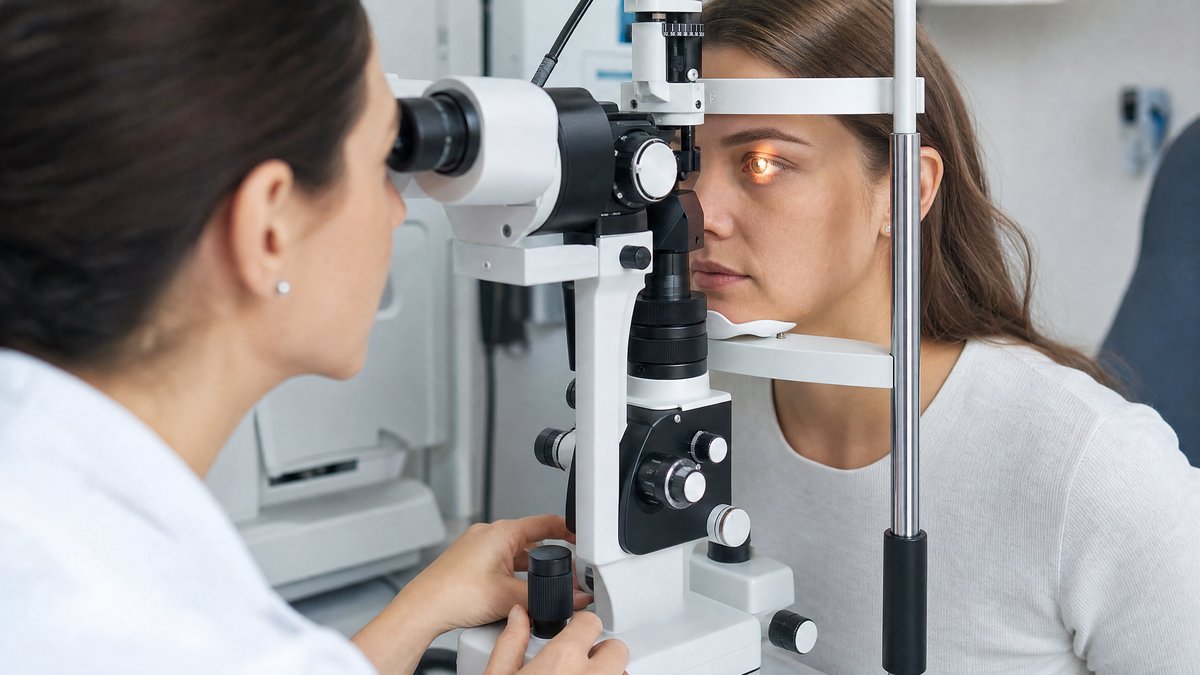
A thorough consultation with an ophthalmologist at Barossa Eye Clinic is the first step. During this assessment, Dr. De Wit or Dr. Laming will:
- Discuss your medical history and any medications you are taking.
- Perform a comprehensive eye examination, including visual field testing if vision obstruction is suspected.
- Evaluate the structure of your eyelids, skin quality, and fat distribution.
- Discuss your aesthetic goals and functional concerns to determine if blepharoplasty is the appropriate solution for you.
Treatment: The Blepharoplasty Procedure
Blepharoplasty is typically performed as an outpatient procedure under local anaesthesia with sedation. The specific technique varies depending on whether upper, lower, or both eyelids are being treated.
Upper Eyelid Blepharoplasty
For upper eyelids, incisions are usually made along the natural crease of the eyelid, making scars virtually invisible once healed. Excess skin, muscle, and fat are carefully removed, and the remaining tissues are repositioned and tightened to create a smoother, more defined eyelid contour.
Lower Eyelid Blepharoplasty
For lower eyelids, incisions can be made just below the lash line (transcutaneous approach) or inside the lower eyelid (transconjunctival approach). The transconjunctival approach is often used when only fat needs to be removed or repositioned, with no external skin incision. The goal is to reduce puffiness and smooth the under-eye area.
Recovery typically involves some swelling and bruising, which gradually subsides over a few weeks. Our team will provide detailed post-operative care instructions to ensure a smooth healing process.
When to Seek Help
If you are experiencing any of the symptoms mentioned above, particularly if they are affecting your vision or causing you distress, it is advisable to seek a professional opinion. An ophthalmologist can accurately diagnose the cause of your eyelid concerns and recommend the most suitable course of action. Early consultation can help you understand your options and make informed decisions about your eye health and appearance.
Frequently Asked Questions (FAQ)
Q: Is blepharoplasty covered by Medicare in Australia?
A: In some cases, upper eyelid blepharoplasty may be partially covered by Medicare if the drooping skin significantly impairs your vision. A visual field test demonstrating this impairment is usually required. Aesthetic blepharoplasty, performed purely for cosmetic reasons, is generally not covered. Our team at Barossa Eye Clinic can provide more information during your consultation.
Q: What is the recovery time for blepharoplasty?
A: Most patients can return to light activities within a few days, but significant swelling and bruising can last for 1-3 weeks. Full recovery, with final results becoming apparent, can take several months as the tissues settle and scars mature. We advise avoiding strenuous activities and wearing protective eyewear during the initial recovery period.
Q: Will blepharoplasty remove all wrinkles around my eyes?
A: While blepharoplasty can significantly improve the appearance of loose skin and some fine wrinkles on the eyelids, it is primarily designed to remove excess skin and fat. It may not eliminate all wrinkles, especially ‘crow’s feet’ at the corners of the eyes, which are often better addressed with other treatments. Your ophthalmologist will discuss realistic expectations during your consultation.
Ready to Rejuvenate Your Look?
If you are considering blepharoplasty or wish to discuss your eyelid concerns, contact Barossa Eye Clinic today. Our dedicated team in Gawler, South Australia, is here to provide expert care and guidance. No referral needed — call 1300 107 393 to schedule your consultation with Dr. De Wit or Dr. Laming.
Related Conditions:
Clinical Disclaimer: The information provided on this page is for general educational purposes only and does not constitute medical advice. It is essential to consult with a qualified ophthalmologist or healthcare professional for diagnosis and treatment of any medical condition. Individual results from surgical procedures may vary. Barossa Eye Clinic does not endorse any specific treatment over another without a thorough patient assessment.