Ptosis Surgery – Drooping Eyelid | Barossa Eye Clinic Gawler
At Barossa Eye Clinic, located in Gawler, South Australia, our experienced ophthalmologists, Dr. Deric De Wit and Dr. Andrew Laming, specialize in diagnosing and treating a wide range of eye conditions, including ptosis. Ptosis, commonly known as a drooping eyelid, can affect vision and impact one’s appearance. Our clinic is dedicated to providing comprehensive and compassionate care to patients across the Barossa Valley and surrounding regions.
What is Ptosis?
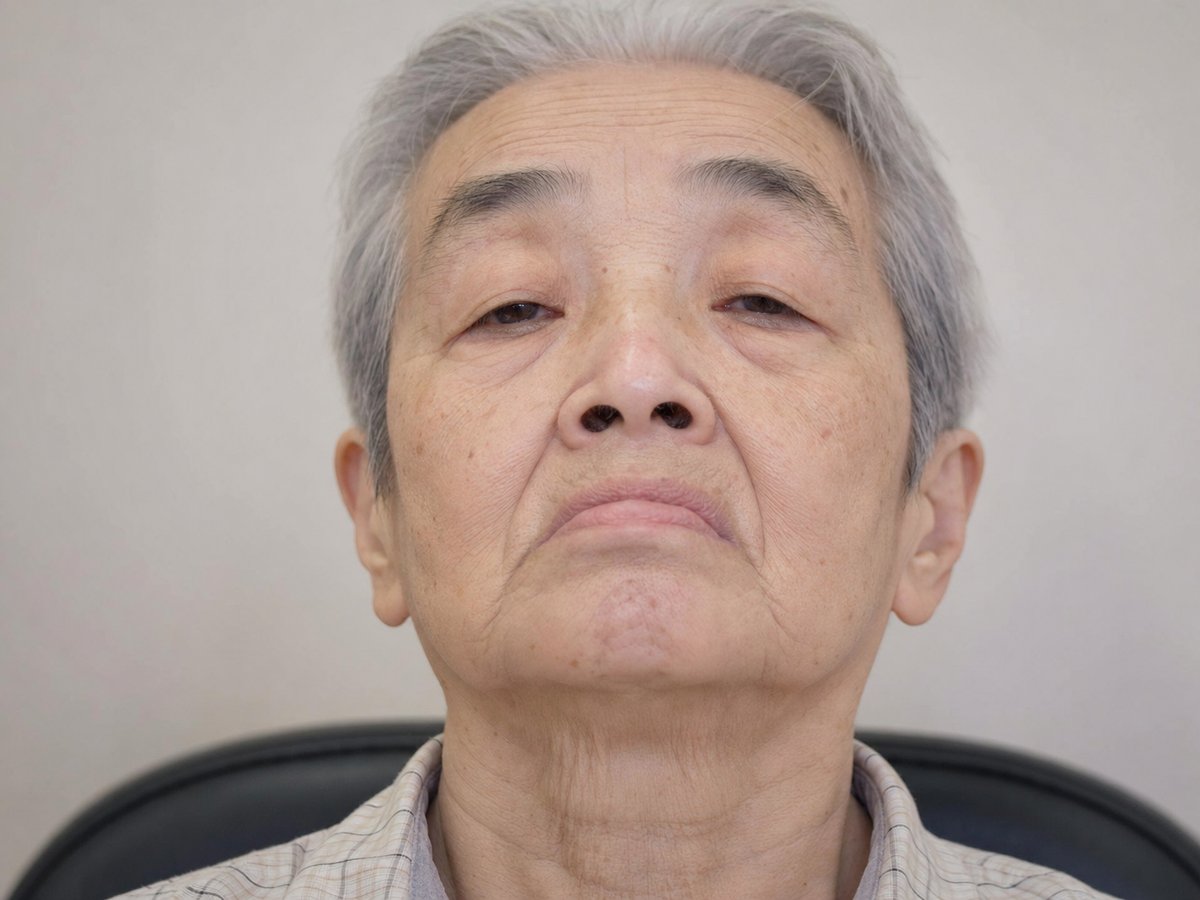
Ptosis is a condition characterized by the drooping of the upper eyelid. This can occur in one eye (unilateral ptosis) or both eyes (bilateral ptosis). The degree of drooping can vary from subtle to severe, potentially covering the pupil and obstructing vision. While it can affect individuals of all ages, it is more common in older adults due to age-related changes in the eyelid muscles and tissues.
Symptoms of Ptosis
The primary symptom of ptosis is a noticeable drooping of the upper eyelid. Depending on the severity, other symptoms may include:
- Reduced field of vision, especially in the upper and peripheral areas.
- Tilting the head back or raising the eyebrows to see more clearly.
- Eye strain and fatigue, particularly when reading or focusing.
- Asymmetrical appearance of the eyes.
- In children, amblyopia (lazy eye) can develop if the drooping eyelid significantly blocks vision during critical developmental periods.
Causes and Risk Factors
Ptosis can stem from various causes, affecting the muscles responsible for lifting the eyelid (levator muscle) or the nerves that control them. Common causes and risk factors include:
- Aponeurotic Ptosis: This is the most common type, often age-related, resulting from the stretching or detachment of the levator muscle tendon from the eyelid.
- Congenital Ptosis: Present at birth, this type is due to underdeveloped levator muscles.
- Neurological Conditions: Conditions like Horner’s syndrome, myasthenia gravis, or third nerve palsy can affect the nerves controlling eyelid movement.
- Trauma: Injury to the eyelid or surrounding structures can damage the levator muscle or its nerve supply.
- Ocular Tumors: Growths in or around the eyelid can cause mechanical drooping.
- Previous Eye Surgery: In some cases, ptosis can develop after cataract surgery or other eye procedures.
Diagnosis
Diagnosing ptosis involves a comprehensive eye examination by an ophthalmologist. At Barossa Eye Clinic, our specialists will:
- Assess the degree of eyelid drooping and measure the eyelid height.
- Evaluate the strength of the levator muscle.
- Check for any underlying neurological conditions.
- Perform visual field tests to determine if vision is impaired.
- Discuss your medical history and any relevant symptoms.
Treatment: Ptosis Surgery
The most effective treatment for significant ptosis is surgery, aimed at lifting the eyelid to restore clear vision and improve cosmetic appearance. The specific surgical technique depends on the cause and severity of the ptosis, as well as the strength of the levator muscle.
Types of Ptosis Surgery:
- Levator Resection: This is the most common procedure, involving shortening the levator muscle to increase its lifting power. It is typically performed when the levator muscle has good function.
- Frontalis Sling: If the levator muscle is very weak or non-functional, the eyelid can be connected to the eyebrow muscle (frontalis muscle) using a sling. This allows the forehead muscles to lift the eyelid.
- Müller’s Muscle Resection: For mild cases of ptosis, a small muscle in the eyelid (Müller’s muscle) can be tightened.
Our surgeons at Barossa Eye Clinic will discuss the most appropriate surgical approach for your individual needs, explaining the procedure, potential risks, and expected outcomes. Ptosis surgery is typically performed as an outpatient procedure, and recovery usually involves some swelling and bruising, which subsides over several weeks.
When to Seek Help
If you notice a new or worsening drooping of your eyelid, or if it begins to affect your vision, it is important to seek prompt medical attention. Early diagnosis and treatment can prevent complications and improve your quality of life. Contact Barossa Eye Clinic in Gawler, serving the wider South Australian community, for an expert consultation.
FAQ
Q: Is ptosis surgery covered by insurance?
A: Coverage for ptosis surgery often depends on whether the condition is affecting your vision. If it is deemed medically necessary, a portion of the cost may be covered by private health insurance and Medicare. We recommend discussing this with your insurer and our clinic staff.
Q: What is the recovery time for ptosis surgery?
A: Most patients experience some swelling and bruising for 1-2 weeks after surgery. Full recovery and the final aesthetic result can take several months. Our team will provide detailed post-operative care instructions.
Ready to Address Your Drooping Eyelid?
If you are experiencing symptoms of ptosis and are seeking expert care in the Barossa Valley or South Australia, contact Barossa Eye Clinic today. Our dedicated team is here to provide comprehensive assessment and personalized treatment plans. No referral needed — call 1300 107 393 to schedule your consultation with Dr. De Wit or Dr. Laming.
Related Conditions:
Clinical Disclaimer: The information provided on this page by Barossa Eye Clinic is for general educational purposes only and does not constitute medical advice. It is essential to consult with a qualified ophthalmologist for diagnosis and treatment of any eye condition. Individual results from treatments, including surgery, may vary. Please discuss your specific circumstances with your eye care professional.