Eye Conditions We Treat
At Barossa Eye Clinic, located conveniently in Gawler, South Australia, our dedicated team of ophthalmologists, Dr. Deric De Wit and Dr. Andrew Laming, provides comprehensive diagnosis and treatment for a wide range of eye conditions. We are committed to preserving and improving your vision, offering expert care to the communities of the Barossa Valley and beyond. Understanding common eye conditions is the first step towards maintaining optimal eye health.
What is it?
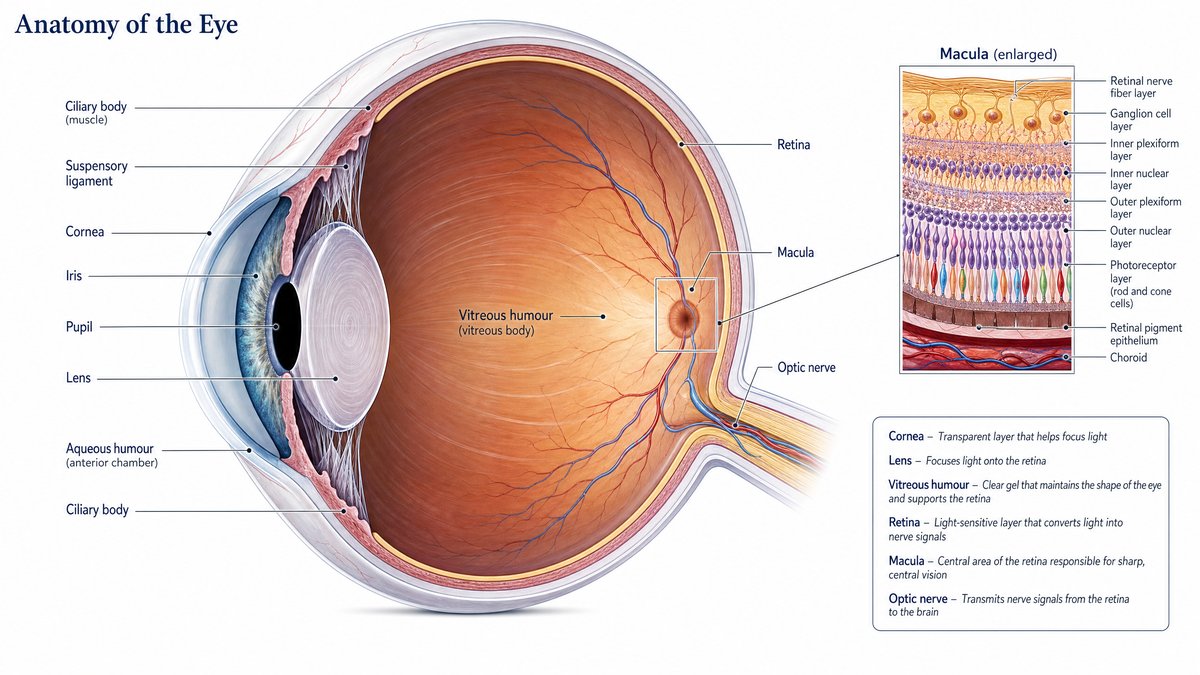
Eye conditions encompass a broad spectrum of diseases, disorders, and injuries that can affect any part of the eye or visual system. These conditions can range from common refractive errors like myopia (nearsightedness) and hyperopia (farsightedness) to more complex and potentially sight-threatening diseases such as glaucoma, macular degeneration, and diabetic retinopathy. Early detection and appropriate management are crucial for preventing vision loss and maintaining quality of life.
Symptoms
Symptoms of eye conditions can vary widely depending on the specific ailment, but some common indicators that warrant professional attention include:
- Blurred or distorted vision
- Sudden loss of vision in one or both eyes
- Eye pain or discomfort
- Redness or irritation
- Excessive tearing or dry eyes
- Sensitivity to light (photophobia)
- Seeing flashes of light or floaters
- Double vision
- Changes in peripheral vision
- Difficulty seeing at night
If you experience any of these symptoms, especially if they are sudden or severe, it is important to seek prompt ophthalmological evaluation.
Causes/Risk Factors
Eye conditions can arise from a multitude of factors, including genetic predispositions, aging, environmental influences, and underlying systemic health issues. Common causes and risk factors include:
- Age: Many eye conditions, such as cataracts, glaucoma, and age-related macular degeneration, become more prevalent with advancing age.
- Genetics: A family history of certain eye diseases can increase your risk.
- Systemic Diseases: Conditions like diabetes and hypertension can significantly impact eye health, leading to diabetic retinopathy or hypertensive retinopathy.
- UV Exposure: Prolonged exposure to ultraviolet (UV) radiation from the sun can contribute to cataracts and macular degeneration.
- Lifestyle Factors: Smoking, poor nutrition, and lack of exercise can negatively affect eye health.
- Eye Trauma: Injuries to the eye can lead to various complications, including retinal detachment or corneal damage.
- Infections: Bacterial, viral, or fungal infections can cause conditions like conjunctivitis or keratitis.
Diagnosis
Accurate diagnosis of eye conditions at Barossa Eye Clinic involves a comprehensive eye examination using state-of-the-art diagnostic equipment. Our ophthalmologists will conduct a thorough assessment, which may include:
- Visual Acuity Test: To measure your sharpness of vision.
- Slit-Lamp Examination: To examine the front and back structures of your eye in detail.
- Tonometry: To measure intraocular pressure, crucial for glaucoma detection.
- Dilated Fundus Examination: To view the retina, optic nerve, and macula.
- Optical Coherence Tomography (OCT): For detailed cross-sectional imaging of the retina and optic nerve.
- Visual Field Testing: To detect blind spots in your peripheral vision.
These diagnostic tools allow us to identify conditions accurately and formulate an effective treatment plan tailored to your needs.
Treatment
Treatment approaches for eye conditions are diverse and depend on the specific diagnosis, severity, and individual patient factors. At Barossa Eye Clinic in Gawler, we offer a full spectrum of advanced treatments, including:
- Medications: Eye drops, oral medications, or injections to manage conditions like glaucoma, infections, or inflammatory diseases.
- Laser Therapy: Used for conditions such as glaucoma, diabetic retinopathy, and certain retinal tears.
- Surgical Procedures: Including cataract surgery, glaucoma surgery, retinal surgery, and oculoplastic procedures.
- Corrective Lenses: Glasses or contact lenses for refractive errors.
- Lifestyle Modifications: Recommendations for diet, exercise, and UV protection to support eye health.
Our team will discuss all available options with you, ensuring you understand the benefits and risks of each treatment path.
When to seek help
It is important to seek professional ophthalmological help if you experience any new, worsening, or persistent eye symptoms. Regular eye check-ups are also vital, especially if you have risk factors for eye disease, such as a family history of glaucoma or diabetes. Early intervention can often prevent serious vision loss. Don’t hesitate to contact Barossa Eye Clinic if you have concerns about your eye health.
Overview of Major Eye Conditions
Barossa Eye Clinic provides expert care across all major categories of eye conditions. Click on the links below to learn more about specific conditions:
- Retinal Conditions: Diseases affecting the retina, such as diabetic retinopathy, macular degeneration, and retinal detachment.
- Corneal Conditions: Disorders of the cornea, including keratoconus, corneal ulcers, and dry eye syndrome.
- Glaucoma: A group of diseases that damage the optic nerve, often due to high intraocular pressure.
- Macular Conditions: Conditions affecting the macula, the central part of the retina responsible for sharp, detailed vision.
- Oculoplastic Conditions: Conditions related to the eyelids, orbit (eye socket), and tear drainage system.
- Refractive Errors: Common vision problems like nearsightedness, farsightedness, and astigmatism.
FAQ
Q: How often should I have my eyes checked?
A: The frequency of eye check-ups depends on your age, overall health, and risk factors for eye disease. Generally, adults should have a comprehensive eye exam every one to two years. If you have a pre-existing eye condition or systemic diseases like diabetes, more frequent examinations may be recommended by your ophthalmologist at Barossa Eye Clinic.
Q: What is the difference between an optometrist and an ophthalmologist?
A: An optometrist provides primary vision care, including eye exams, vision tests, and prescribing corrective lenses. An ophthalmologist, like Dr. De Wit and Dr. Laming at Barossa Eye Clinic, is a medical doctor who has completed extensive medical training and specializes in eye and vision care. Ophthalmologists are qualified to perform eye surgery, diagnose and treat all eye diseases, and prescribe medications.
Ready to Prioritize Your Eye Health?
If you are experiencing any vision concerns or simply due for a comprehensive eye examination, don’t delay. The expert team at Barossa Eye Clinic in Gawler, serving the wider Barossa Valley and South Australia, is here to provide you with exceptional eye care. No referral needed — call 1300 107 393 to book your appointment today.
Related Conditions:
Clinical Disclaimer
The information provided on this page by Barossa Eye Clinic is for general educational purposes only and is not intended as medical advice. It is essential to consult with a qualified ophthalmologist for any health concerns or before making any decisions related to your eye health. Individual results may vary, and treatment outcomes depend on various factors. Please do not rely solely on the information presented here for self-diagnosis or self-treatment. Always seek the advice of a medical professional for diagnosis and treatment of any medical condition.