Intravitreal Injections (Eye Injections)
At Barossa Eye Clinic, located in Gawler, South Australia, Dr. Deric De Wit and Dr. Andrew Laming provide advanced ophthalmic care, including intravitreal injections. These specialized eye injections are a common and highly effective treatment for a range of serious retinal conditions that can threaten vision. If you are experiencing vision changes and are seeking expert care for eye injections in the Barossa Valley region, our clinic offers comprehensive diagnosis and treatment.
What are Intravitreal Injections?
Intravitreal injections involve the precise administration of medication directly into the vitreous humour, the jelly-like substance that fills the centre of your eye. This method ensures that the medication reaches the retina and other critical structures at the back of the eye effectively, where it can exert its therapeutic effect directly. This targeted approach is crucial for treating conditions that affect the macula and retina, as oral medications often cannot reach these areas in sufficient concentrations.
Symptoms that may lead to intravitreal Injections
The symptoms that indicate a need for intravitreal injections are typically related to retinal diseases and can include:
- Blurred or distorted central vision: Straight lines may appear wavy or bent.
- Dark or empty spots in your vision: Areas where vision is missing.
- Difficulty reading or recognizing faces: Impaired fine detail vision.
- Sudden decrease in vision: A rapid and noticeable loss of visual acuity.
- Floaters or flashes of light: Though less common, these can sometimes indicate underlying retinal issues.
If you experience any of these symptoms, it is important to seek prompt ophthalmic evaluation.

Causes and Risk Factors for Conditions Treated by Intravitreal Injections
Intravitreal injections are primarily used to treat conditions characterized by abnormal blood vessel growth, leakage, or inflammation at the back of the eye. Key conditions include:
- Age-related Macular Degeneration (AMD): Particularly the “wet” form, where abnormal blood vessels grow under the retina and leak fluid or blood.
- Diabetic Retinopathy: A complication of diabetes that damages blood vessels in the retina, leading to swelling (diabetic macular oedema) or abnormal vessel growth.
- Retinal Vein Occlusion (RVO): Blockage of a retinal vein, causing blood and fluid to leak into the retina, leading to macular oedema.
- Other Macular Oedema: Swelling of the macula due to various inflammatory conditions or post-surgical complications.
- Uveitis: Inflammation inside the eye that can lead to macular oedema or other vision-threatening complications.
Risk factors for these conditions include age, diabetes, high blood pressure, high cholesterol, smoking, and a family history of eye disease.
Diagnosis
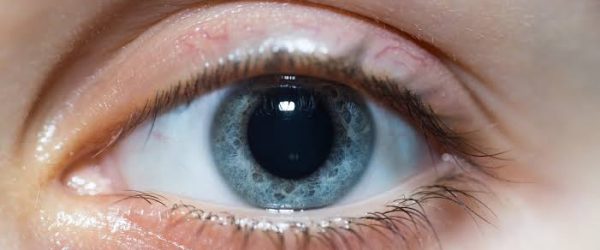
Diagnosing conditions that require intravitreal injections involves a comprehensive eye examination at Barossa Eye Clinic. This typically includes:
- Visual Acuity Test: To assess the sharpness of your vision.
- Dilated Eye Exam: To allow Dr. De Wit or Dr. Laming to view the retina and macula.
- Optical Coherence Tomography (OCT): A non-invasive imaging test that provides cross-sectional images of the retina, revealing fluid accumulation or swelling.
- Fluorescein Angiography (FA): A diagnostic test that uses a special dye to highlight blood vessels in the retina, identifying leakage or abnormal growth.
Treatment: The Intravitreal Injection Procedure
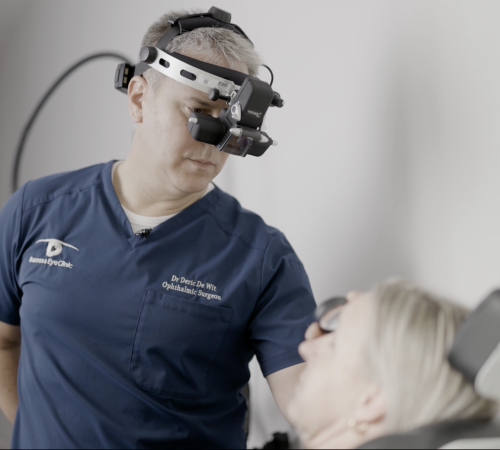
The procedure for an intravitreal injection is performed in a sterile environment at our Gawler clinic and is generally quick and well-tolerated. Before the injection, your eye will be numbed with anaesthetic drops to ensure comfort. The area around your eye will be cleaned, and a small instrument may be used to keep your eyelids open. The medication is then injected into the vitreous with a very fine needle. You may feel a slight pressure, but typically no pain. The entire process takes only a few minutes.
Medications Used
- Anti-VEGF Agents: These medications (e.g., Lucentis, Eylea, Avastin) block Vascular Endothelial Growth Factor, a protein that promotes the growth of abnormal, leaky blood vessels. They are commonly used for wet AMD, diabetic macular oedema, and retinal vein occlusions.
- Steroids: Corticosteroids (e.g., Ozurdex, Kenalog) are used to reduce inflammation and swelling in the retina, often for conditions like uveitis or persistent macular oedema.
The frequency of injections varies depending on the condition being treated and your individual response to the medication. Many patients require a series of injections, often monthly initially, which may then be spaced out as the condition stabilizes.
When to Seek Help
If you notice any sudden changes in your vision, such as new blurriness, distortion, dark spots, or a decrease in your ability to see clearly, it is crucial to contact Barossa Eye Clinic immediately. Early diagnosis and treatment of retinal conditions can significantly improve outcomes and help preserve your vision. Even if you have a diagnosed condition and are undergoing treatment, any new or worsening symptoms should be reported to your ophthalmologist promptly.
Frequently Asked Questions
Q: Are intravitreal injections painful?
A: Most patients report minimal discomfort during the procedure. Your eye will be thoroughly numbed with anaesthetic drops before the injection, so you may feel a sensation of pressure but typically no sharp pain.
Q: How long does the effect of an injection last?
A: The duration of the medication’s effect varies depending on the specific drug and the individual’s condition. Typically, the effects last for several weeks to a few months, which is why a series of injections is often required to maintain treatment benefits.
Q: What are the potential side effects?
A: While generally safe, potential side effects can include temporary eye irritation, redness, or a feeling of something in the eye. More serious, but rare, complications can include infection (endophthalmitis), retinal detachment, or increased eye pressure. Our team will discuss all potential risks and benefits with you.
Related Conditions
- Age-related Macular Degeneration (AMD)
- Diabetic Retinopathy
- Retinal Vein Occlusion
Clinical Disclaimer: The information provided on this page is for general educational purposes only and does not constitute medical advice. It is not a substitute for professional medical advice, diagnosis, or treatment. Always seek the advice of your ophthalmologist or other qualified health provider with any questions you may have regarding a medical condition. Never disregard professional medical advice or delay in seeking it because of something you have read on this website. Individual results may vary. All medical procedures carry risks, and it is important to discuss these with your treating doctor.